As part of the project, various measures will be taken to improve the infrastructure, quality of education and hygiene situation.
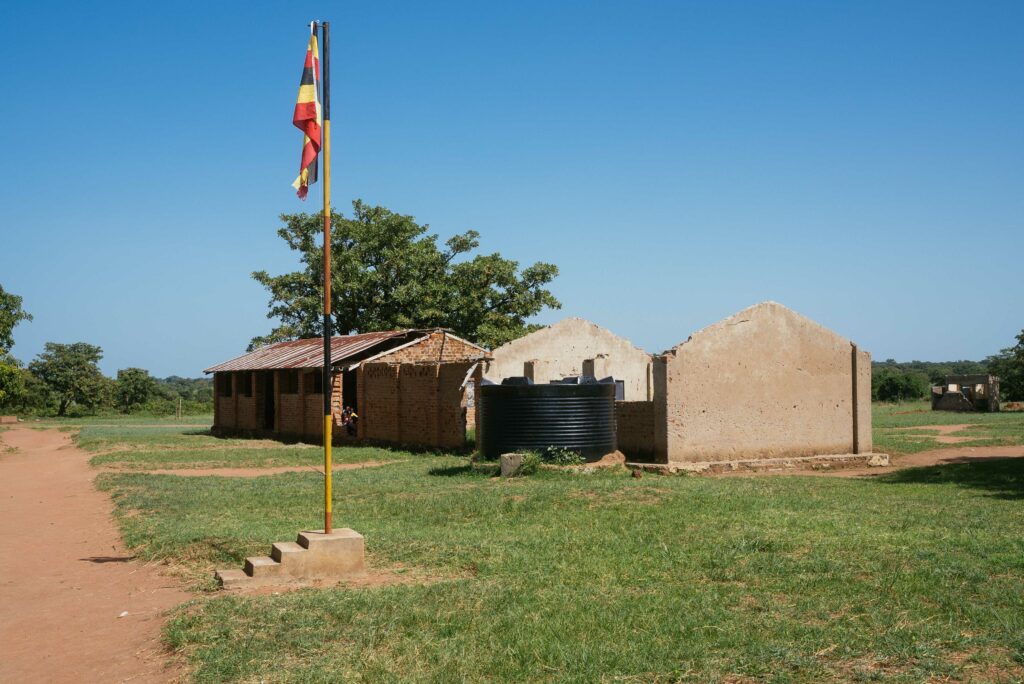
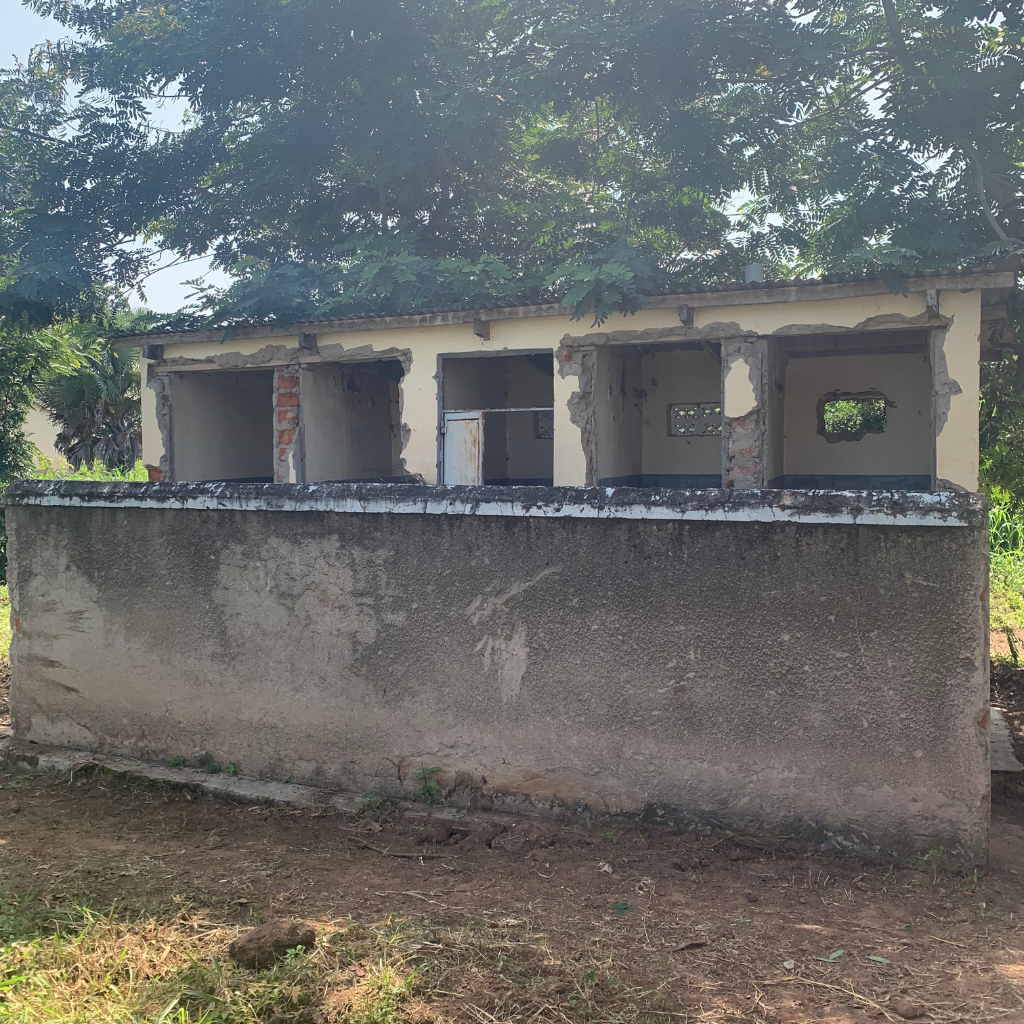
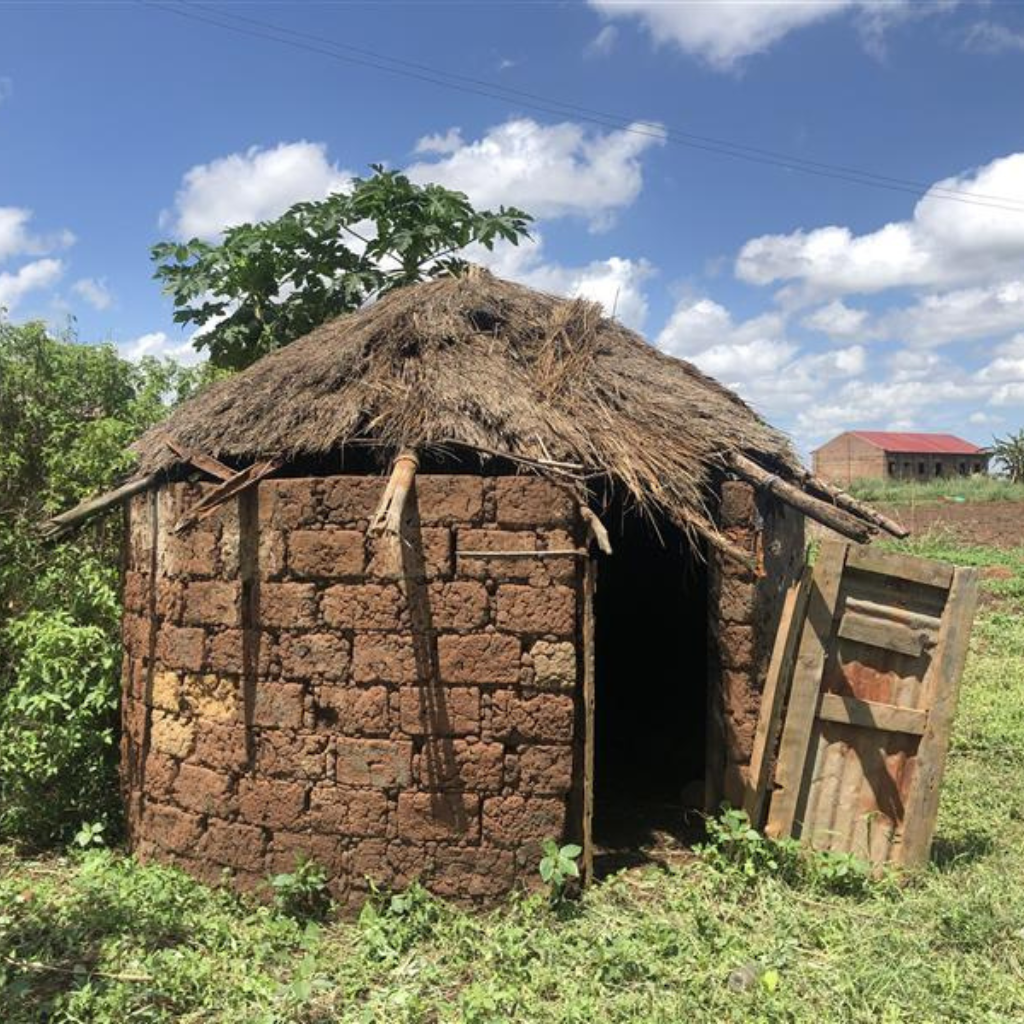
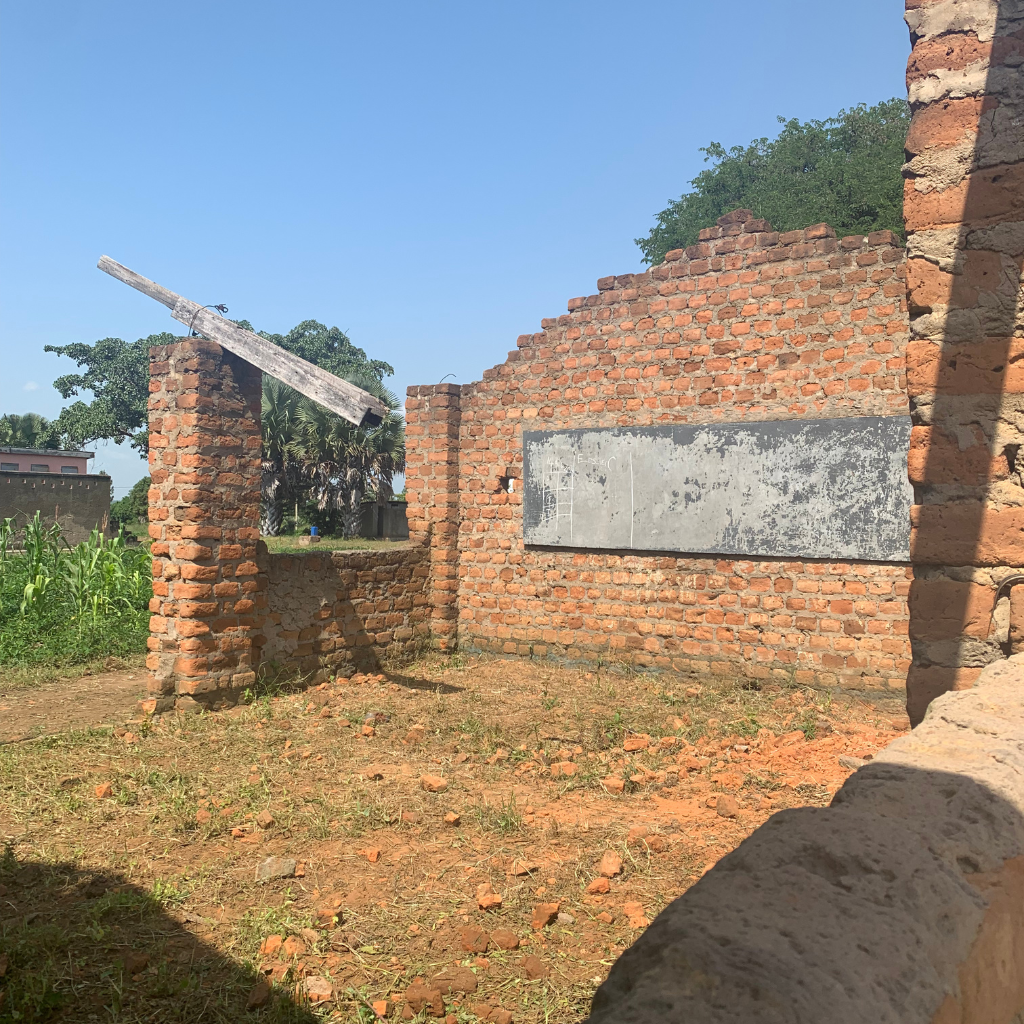
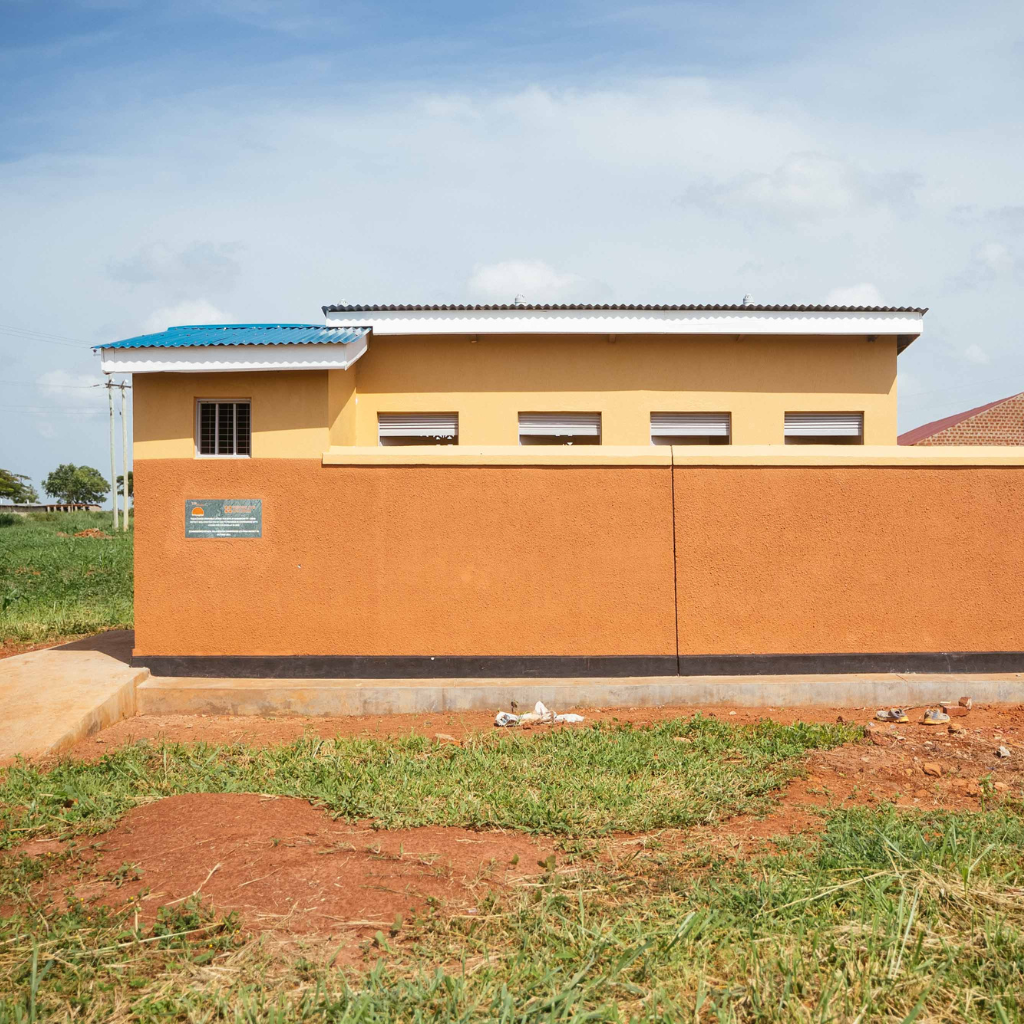
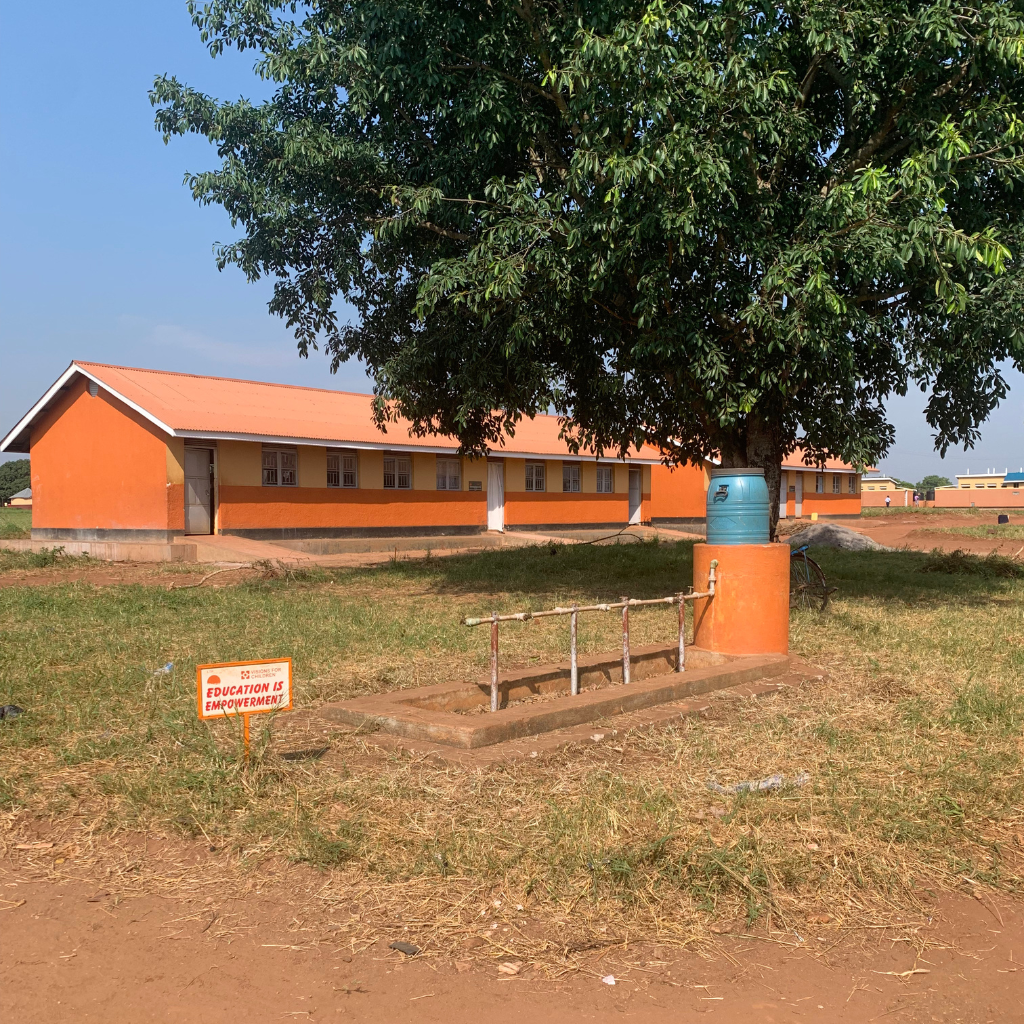
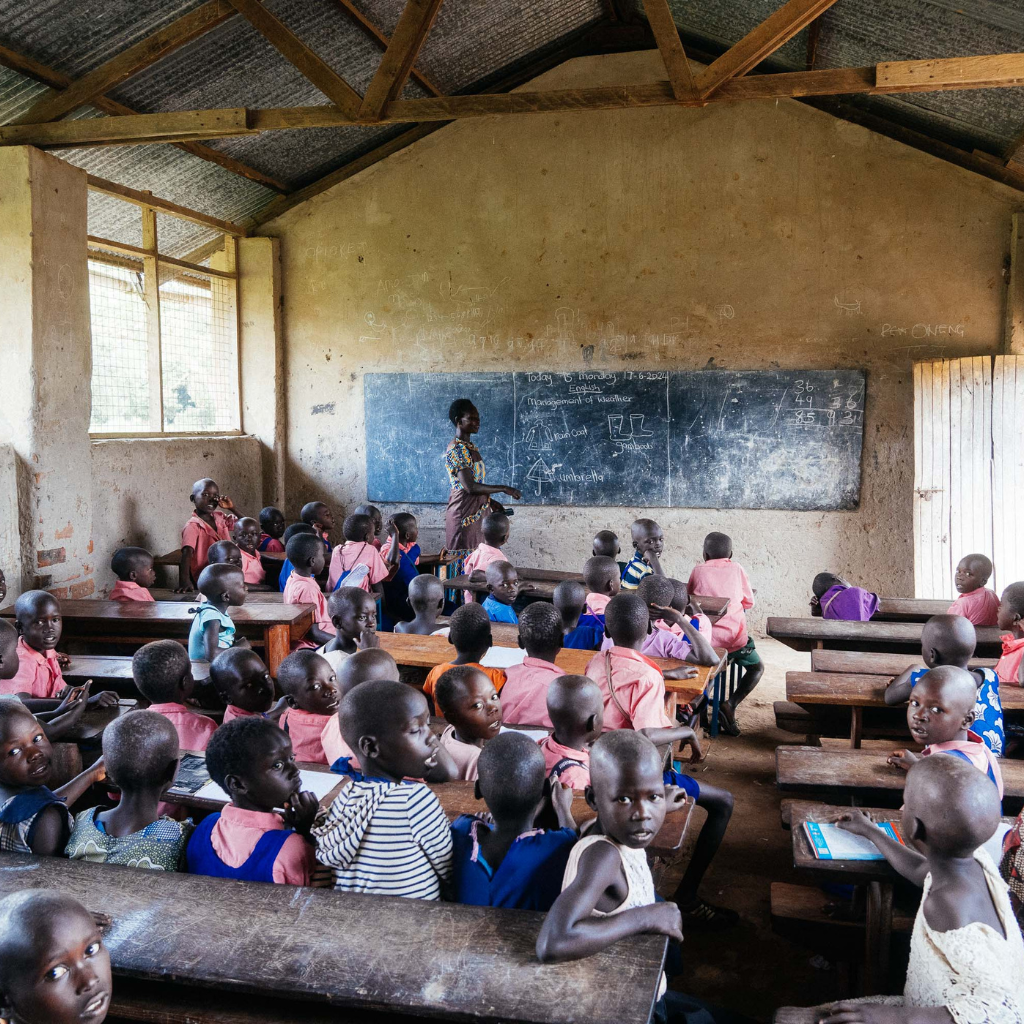
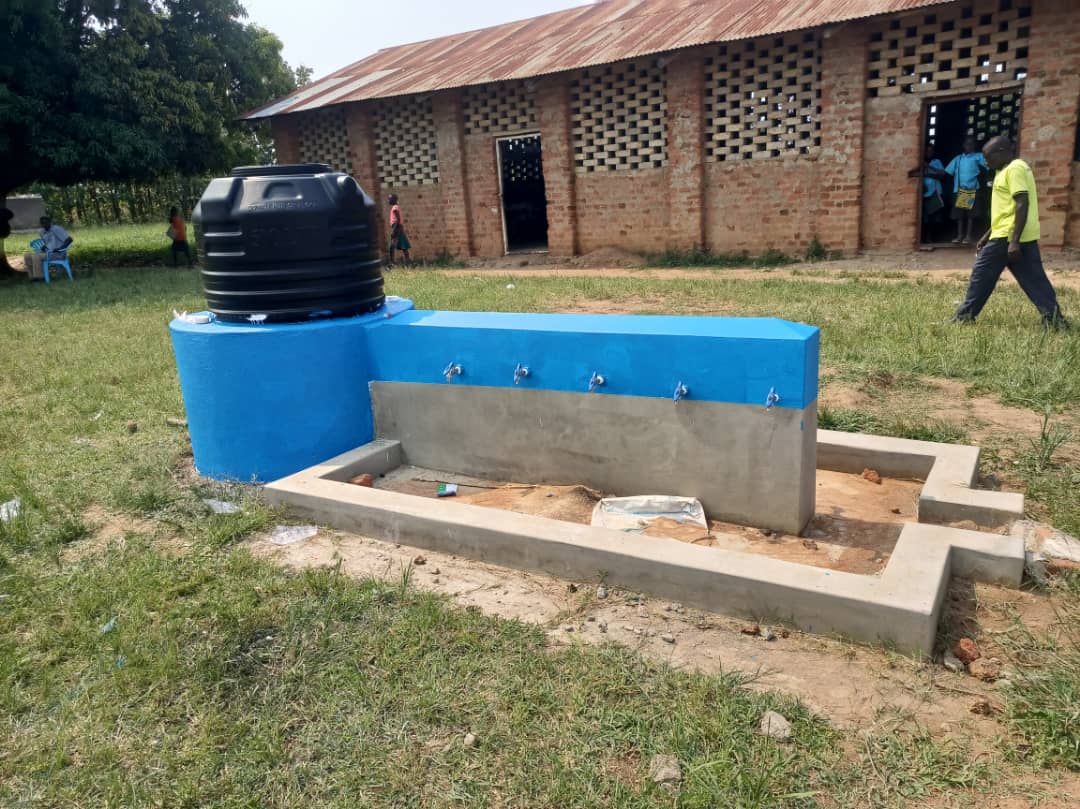
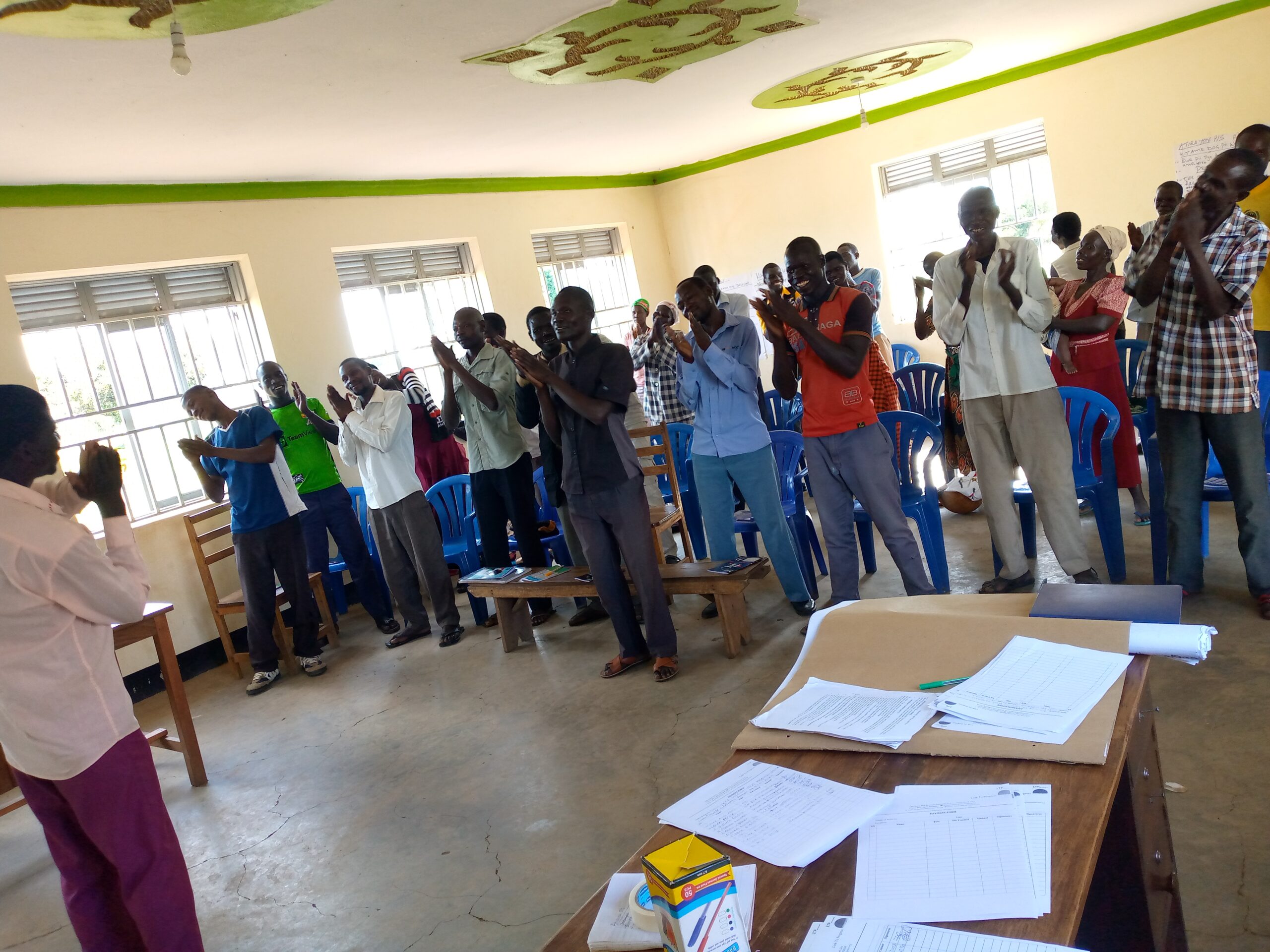
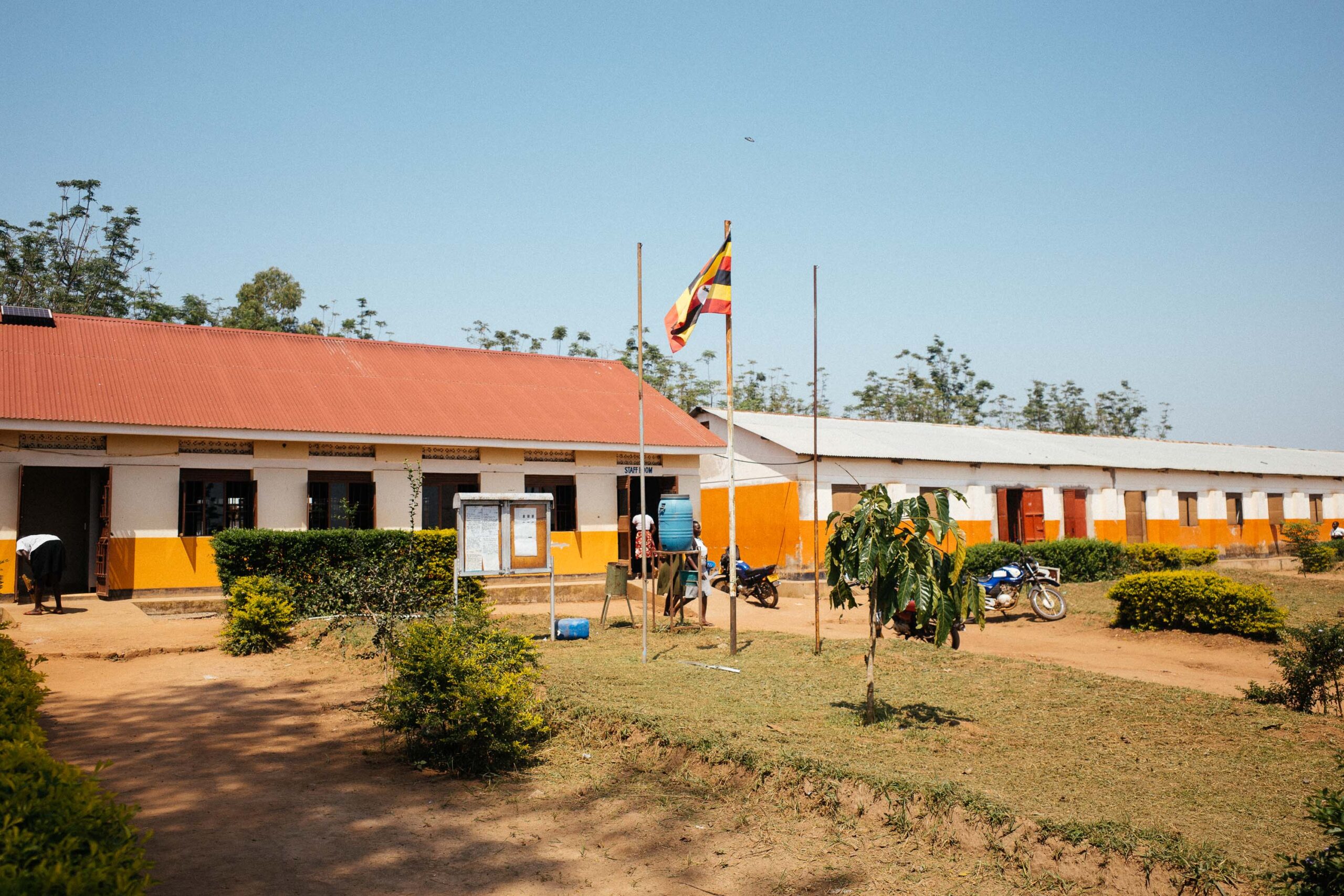
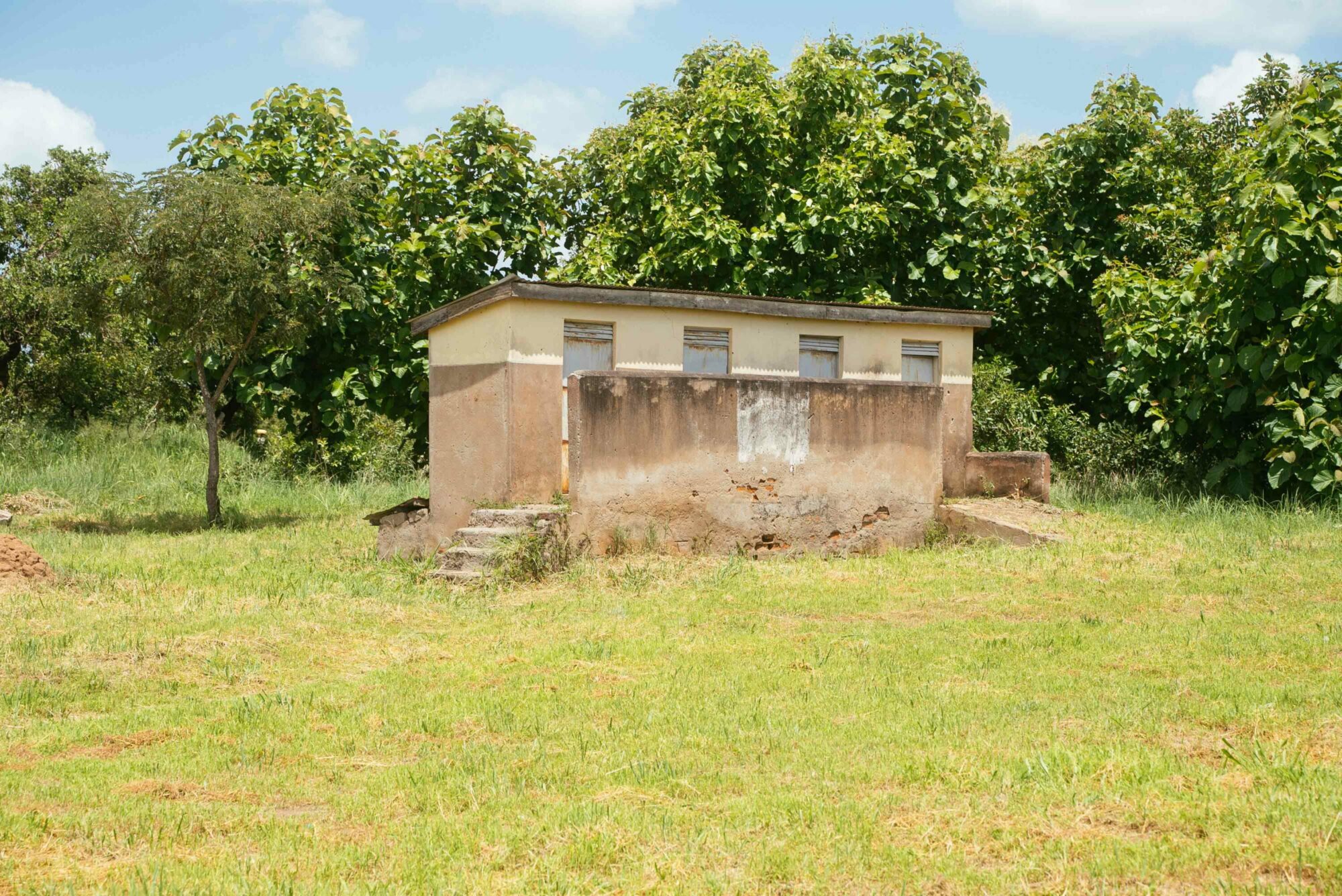
More specifically, this involves the construction of three new school buildings with a total of 12 new classrooms. These are to be equipped with 336 benches and 16 tables for the students. There are also plans to build six new latrine blocks, each with five drainable cubicles. These latrine blocks are gender-segregated and contain washrooms for girls and urinals for boys. Two of these blocks will be built at the Amele School and the remaining four at the Oderokech School. In order to further improve the hygiene situation, four hand washing systems will also be installed. With the help of a three-day workshop, the students as well as the SMCs (School Management Committee) and PTAs (Parents-Teacher Association) are provided with knowledge about hygiene practices and the maintenance of sanitary facilities.
An important part of the project is also the construction of four Menstrual Hygiene Buildings (MHM), one at each school. These buildings function as changing rooms and rest rooms for girls, as well as storage rooms for hygiene products. Conversations with trusted teachers can also take place here in a protected environment. An incinerator for used sanitary napkins will also be installed at each school to ensure environmentally friendly disposal.
IMPROVED ACCESS TO WATER & WORKSHOPS
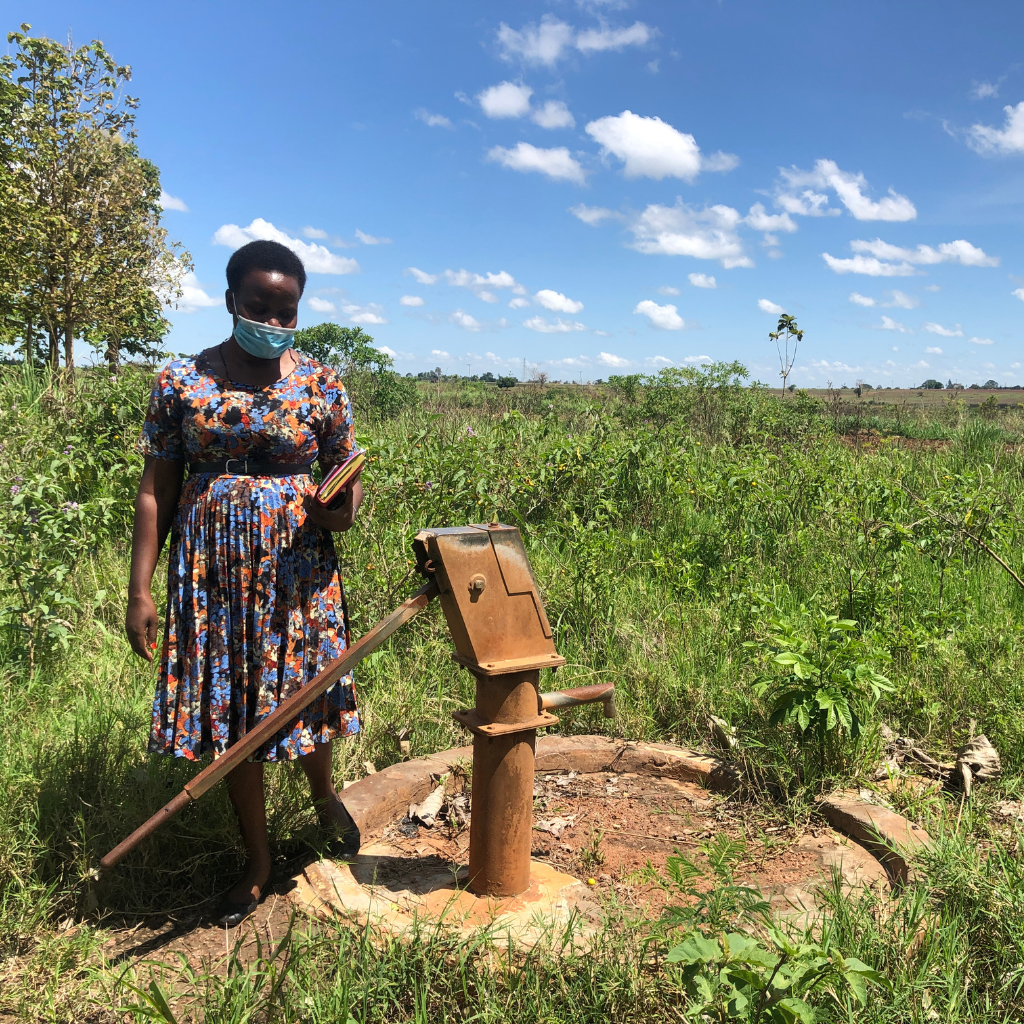
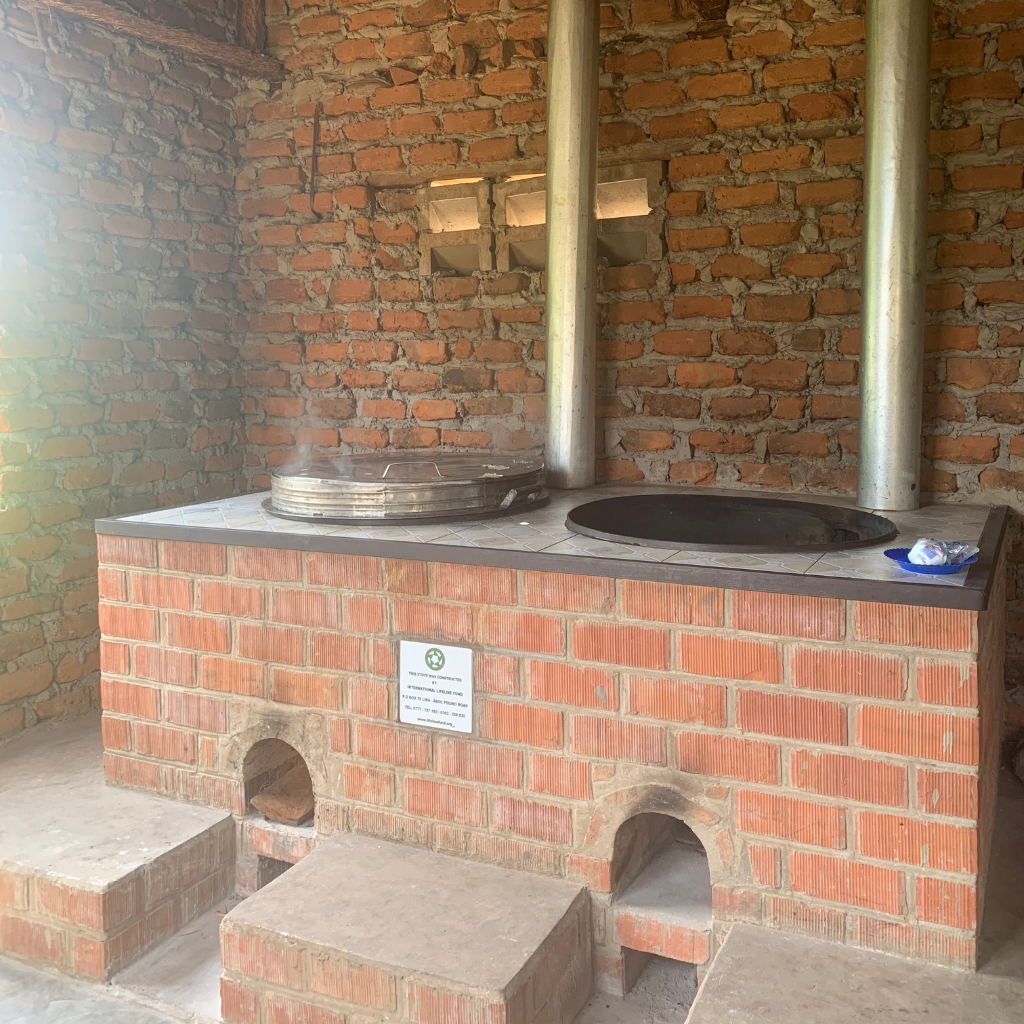
Water supply is also a problem. Two of the schools do not have reliable access to clean drinking water, which increases the risk of illness and also leads to student absenteeism. To improve water supply, a new groundwater well will be drilled at Alangi School, while an existing well will be rehabilitated at Oderokech School to ensure access to clean drinking water. Finally, energy efficient stoves will be built at Amele and Oderokech schools for school meals, and school gardens will be set up at Alangi, Amoni and Oderokech schools to enable the cultivation of food for a school feeding program.
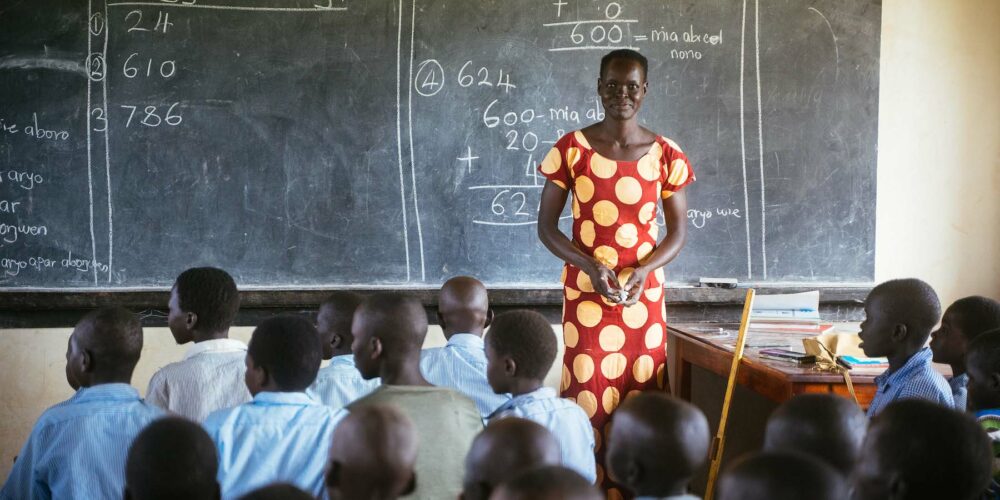
In order to increase the quality of teaching, workshops are being held for teachers on sustainable learning methods with regard to the Ugandan government’s new curriculum. Especially after the long school closure due to the Covid-19 pandemic, there are significant gaps in education that have so far only been inadequately closed.
PREVENTION & EDUCATION ON MENTAL ILLNESSES
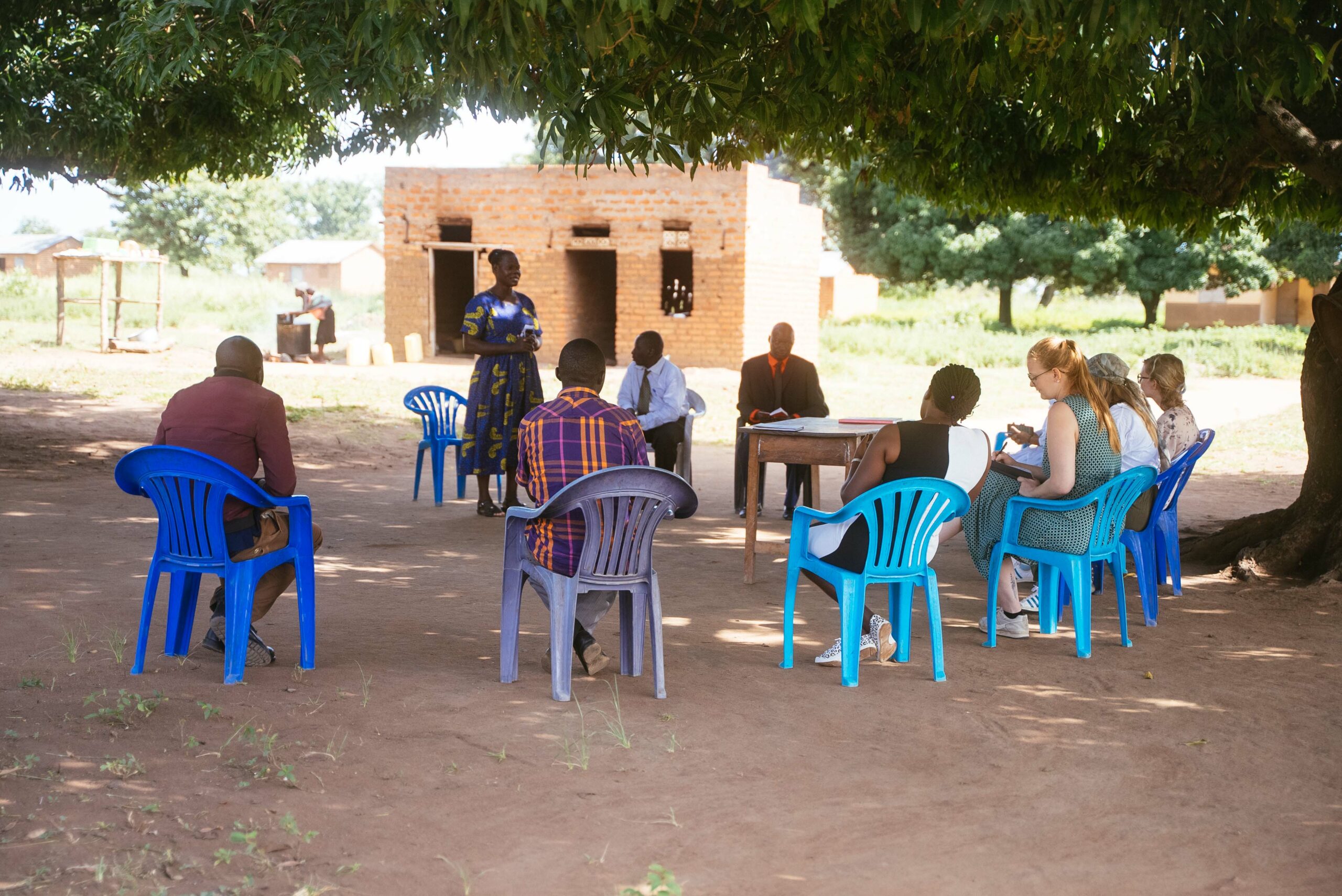
Another issue that is often not addressed in schools and communities in Uganda is mental health. Mental illness and trauma are widespread in the region, primarily due to past conflicts. However, there is a lack of qualified staff and educational programs to provide support to affected students. That’s why workshops on mental health are also held as part of the project. These aim to raise awareness among both teachers and students and reduce stigma. In addition, those responsible will be appointed at the schools to take care of the affected students.
The aim of the project is to ensure that the students of the Amele, Alangi, Oderokech and Amoni schools have a safe and appropriate school infrastructure, and that all students, especially girls, can learn there in a high-quality educational environment.