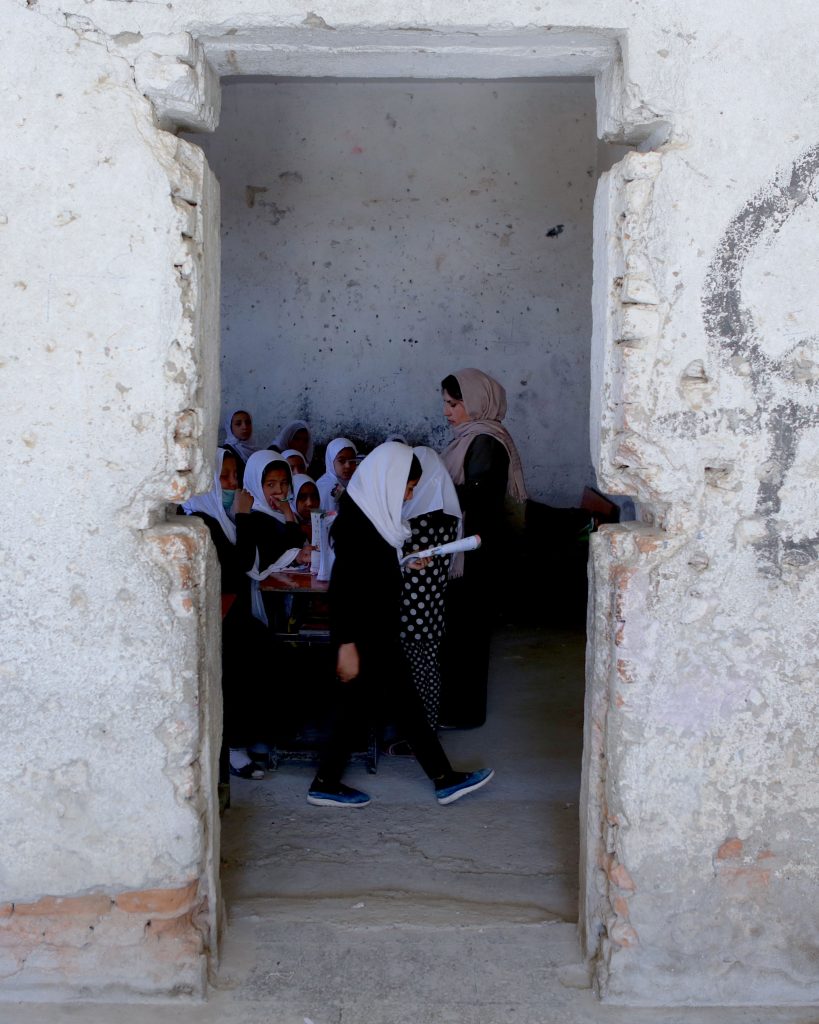
Through this project, we provide disadvantaged children in rural communities with access to education, protection, and opportunities for the future. We take a community-based approach in which community members, schools, and local authorities are actively involved in planning and implementation. This results in educational programs that are tailored to local conditions and can withstand current political restrictions.
IMPROVING LEARNING CONDITIONS IN PUBLIC SCHOOL
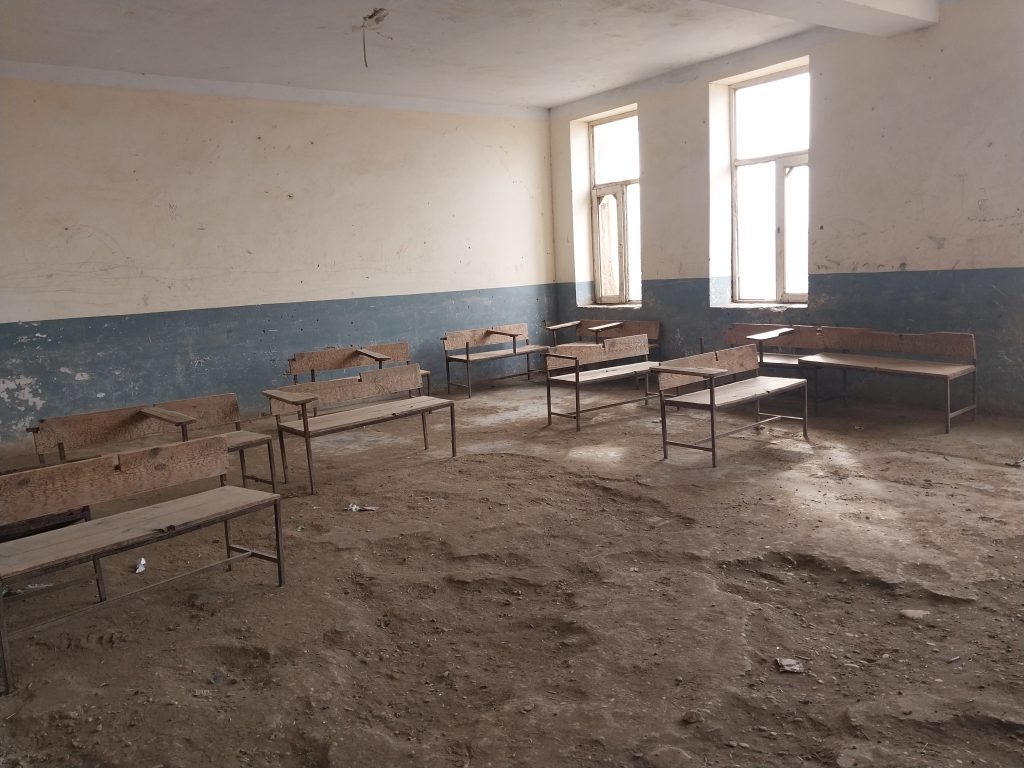
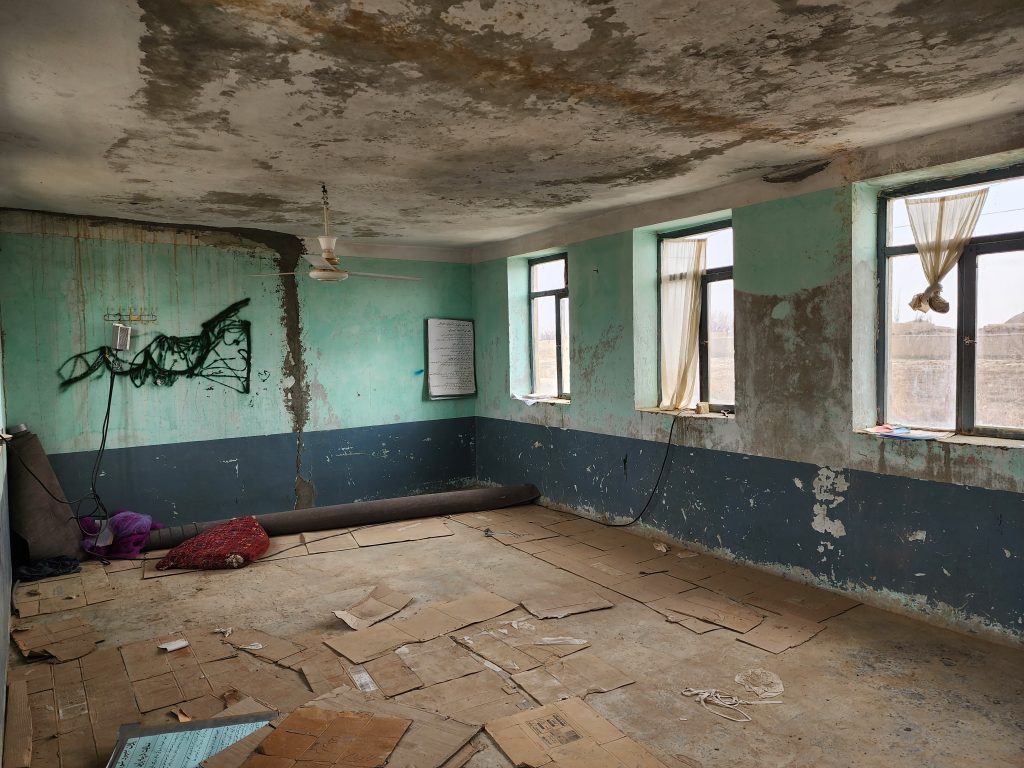
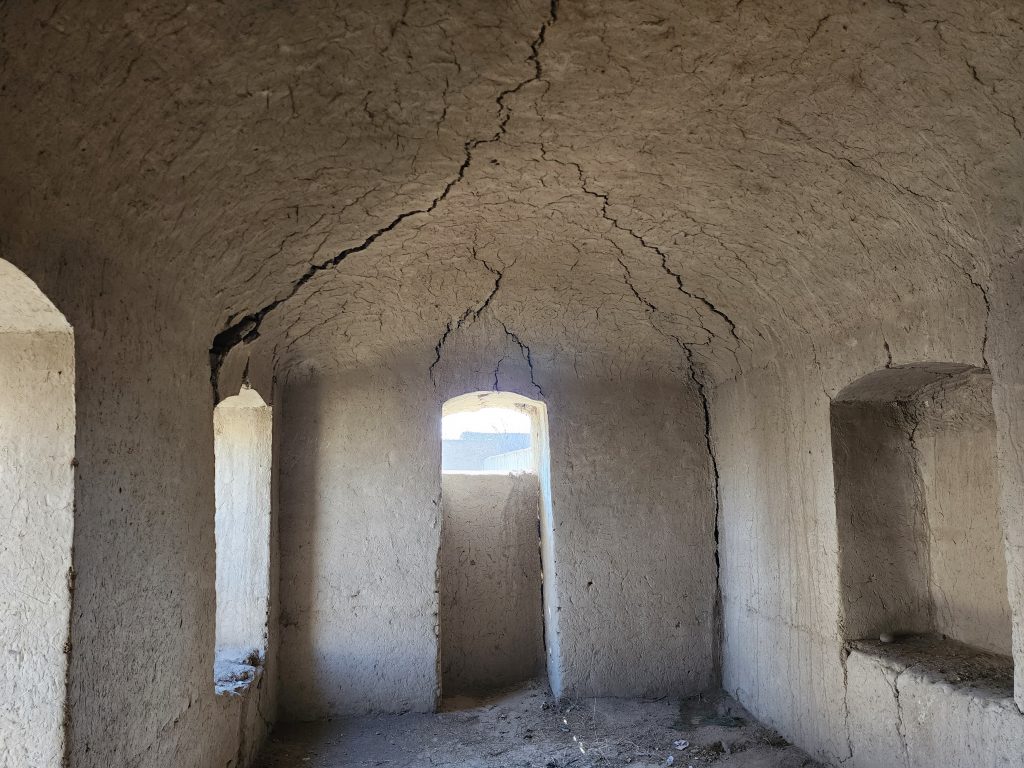
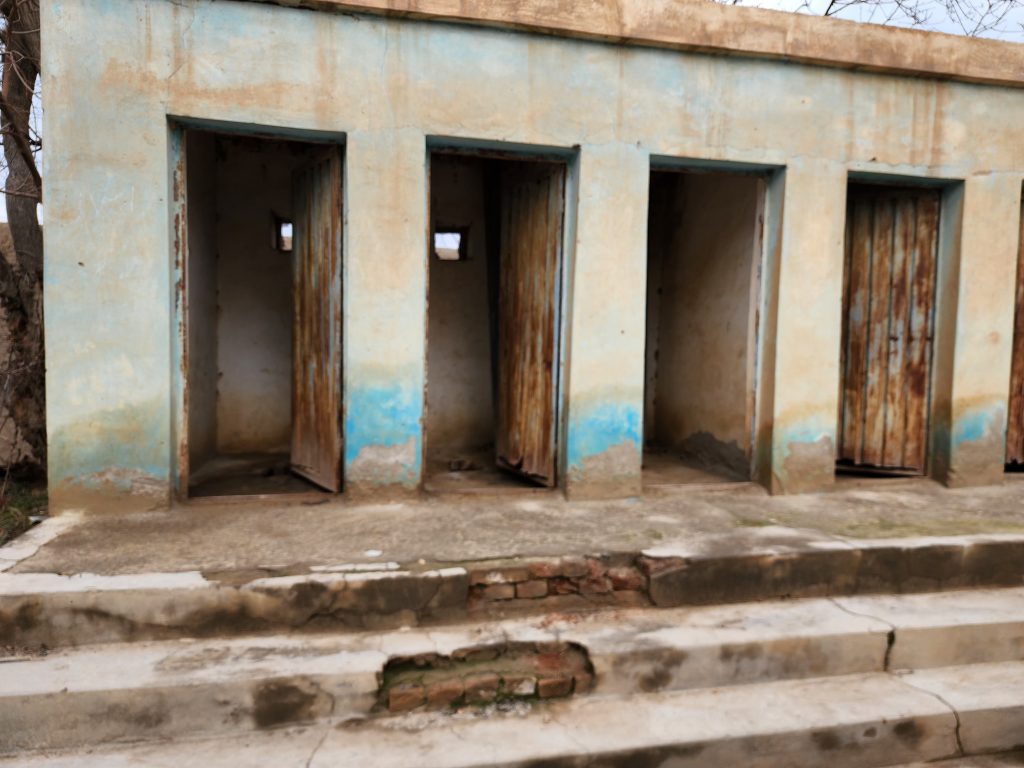
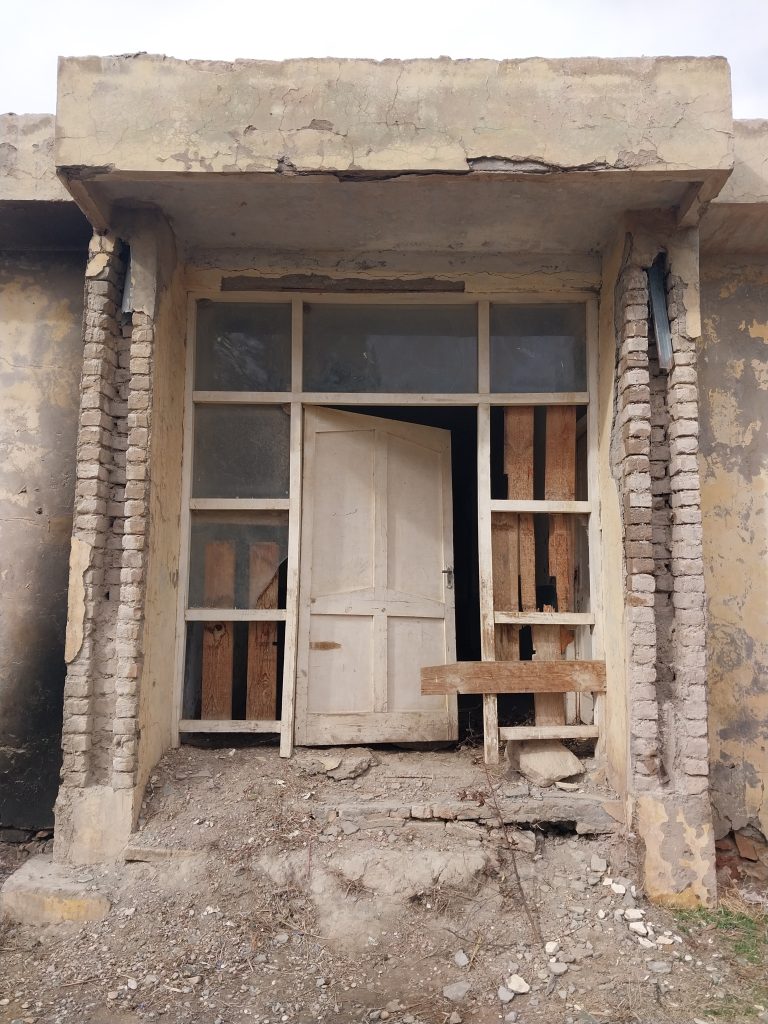
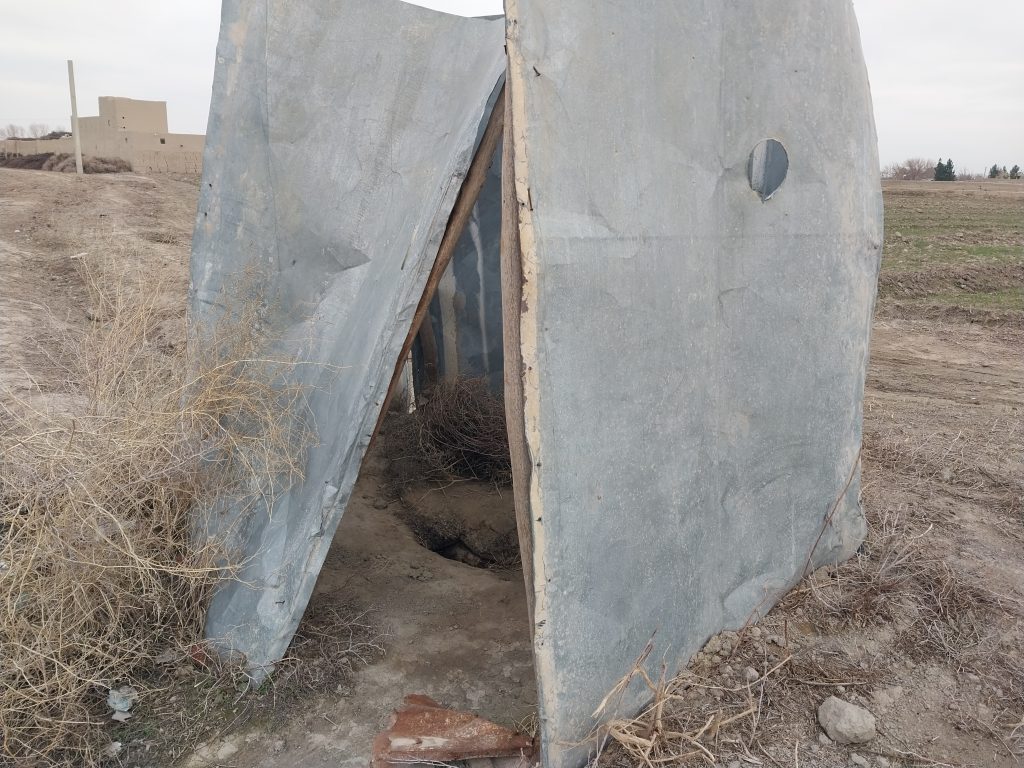
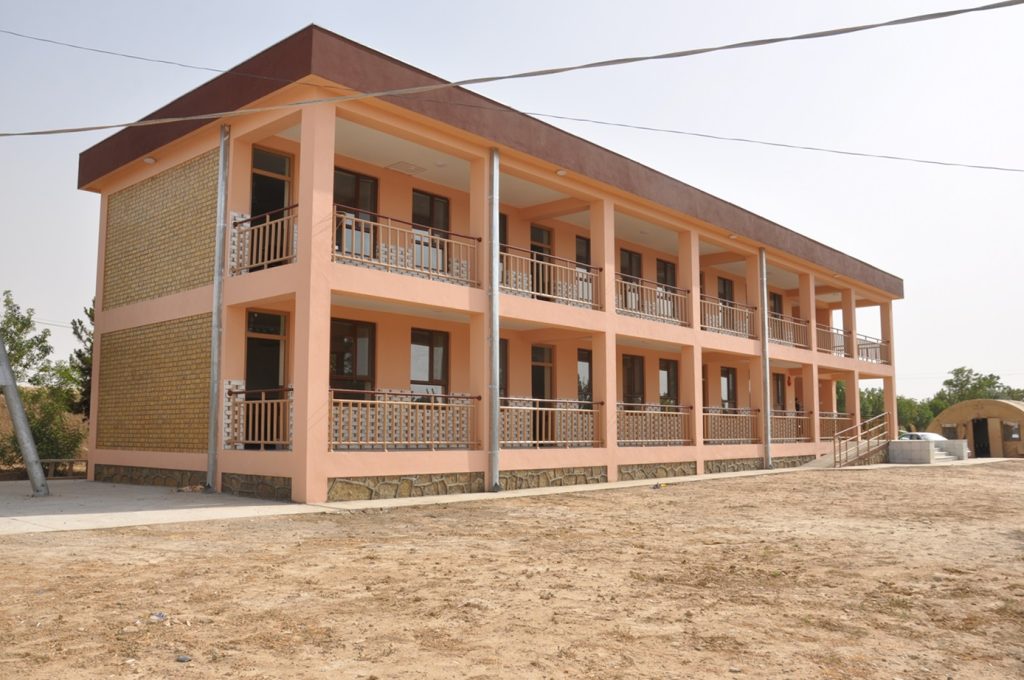
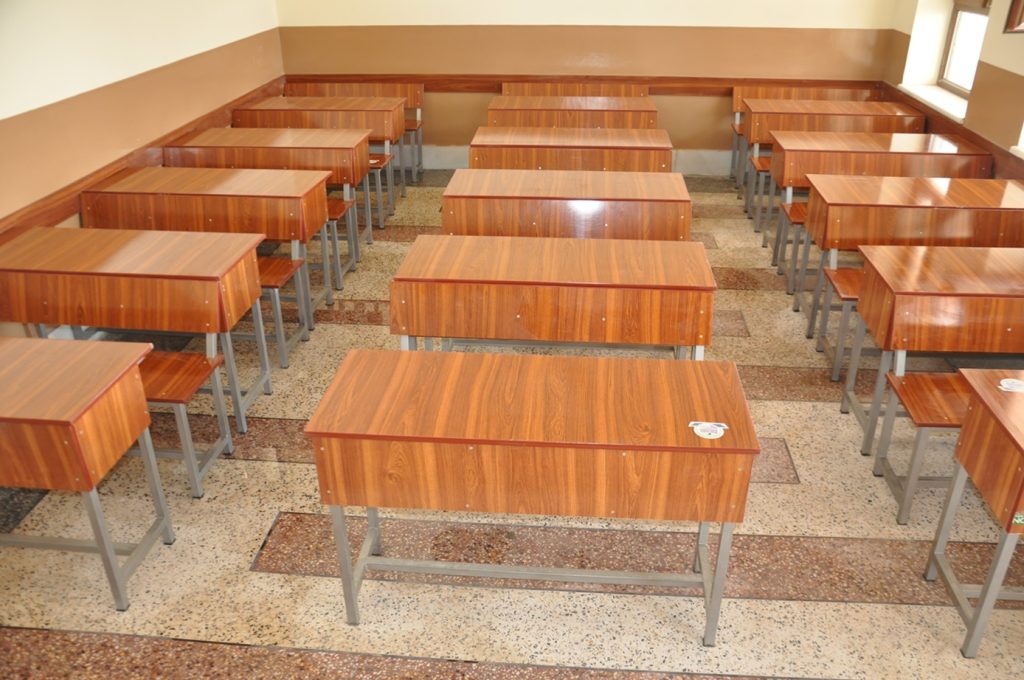
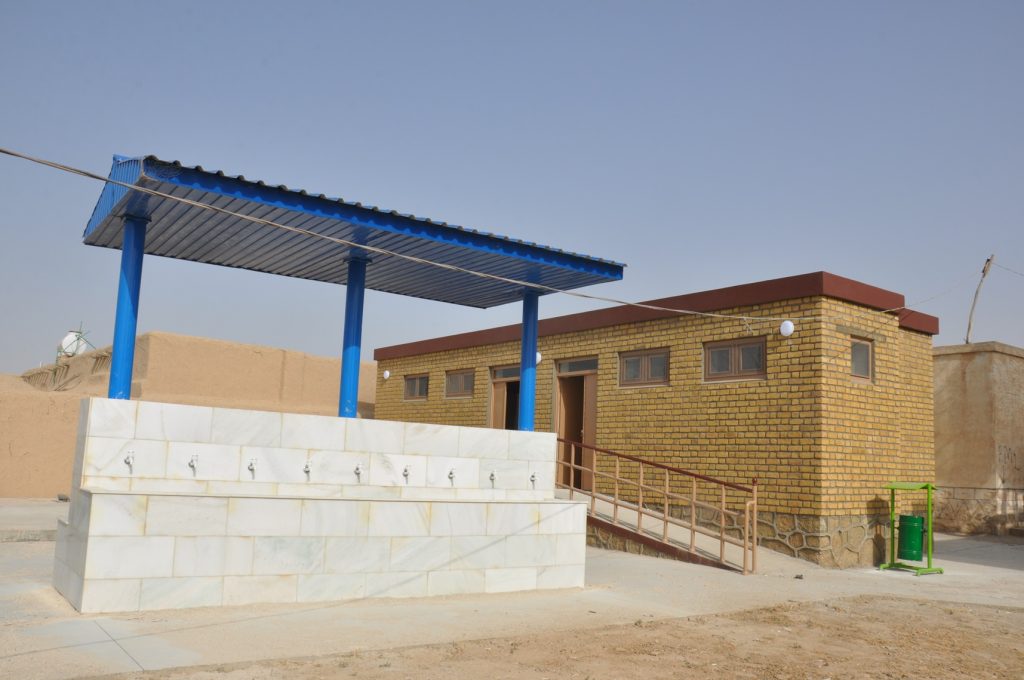
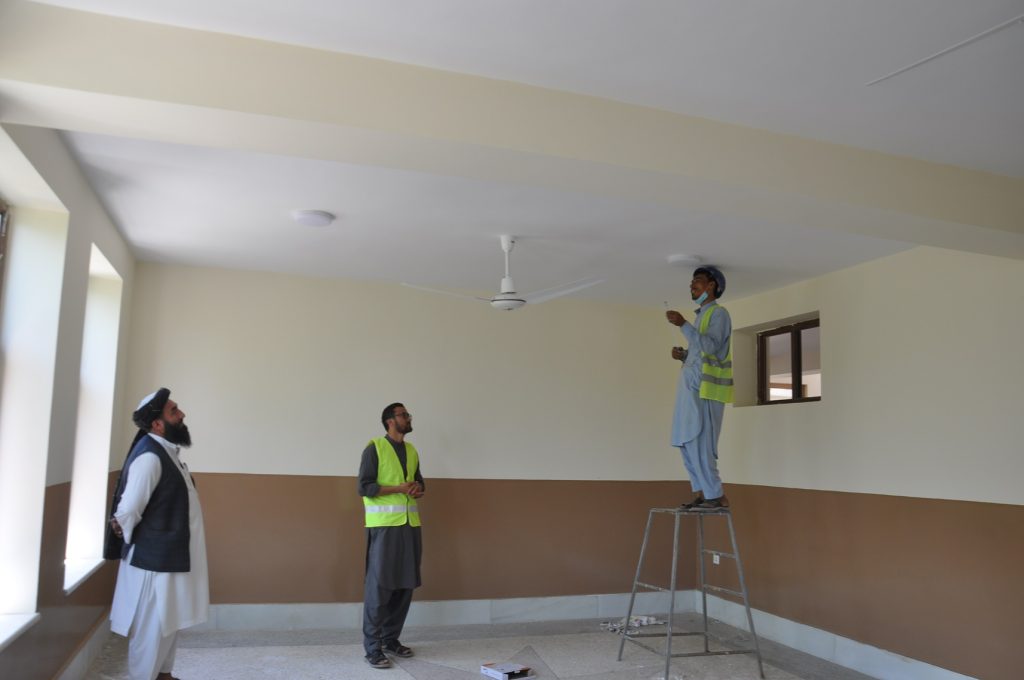
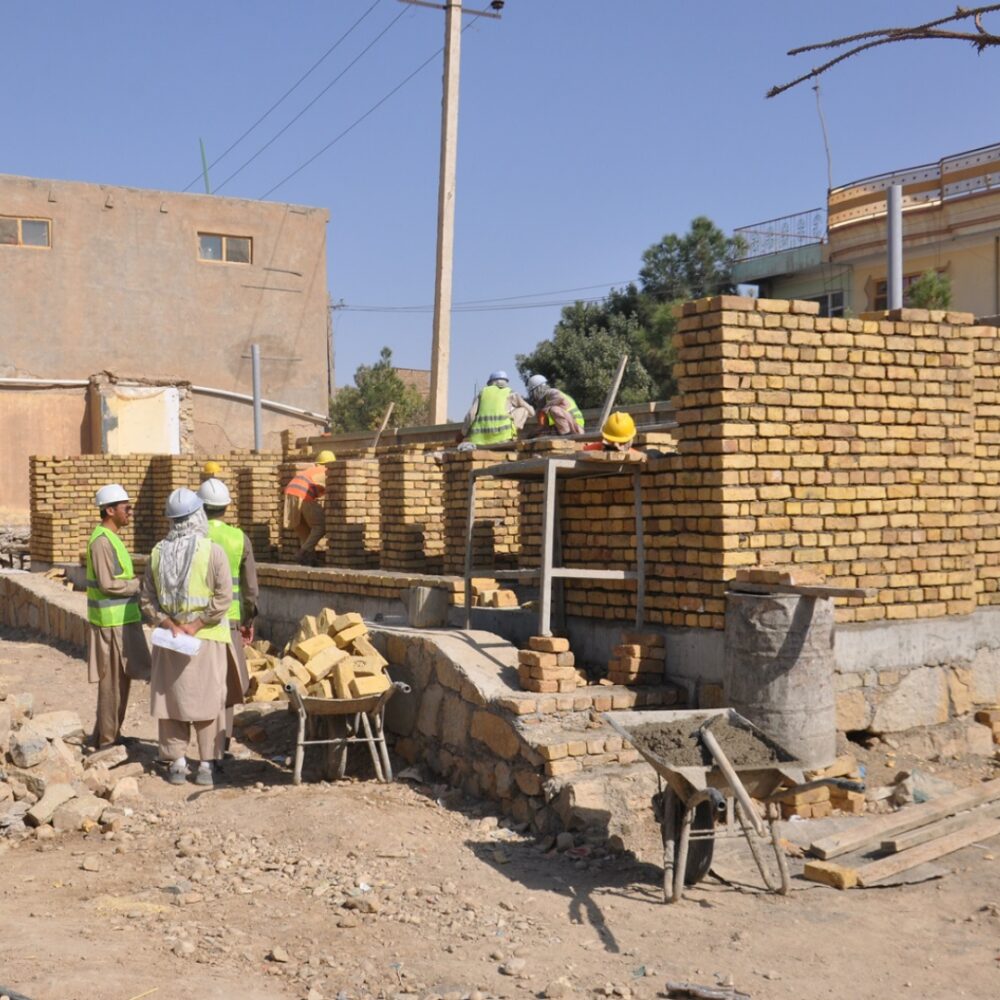
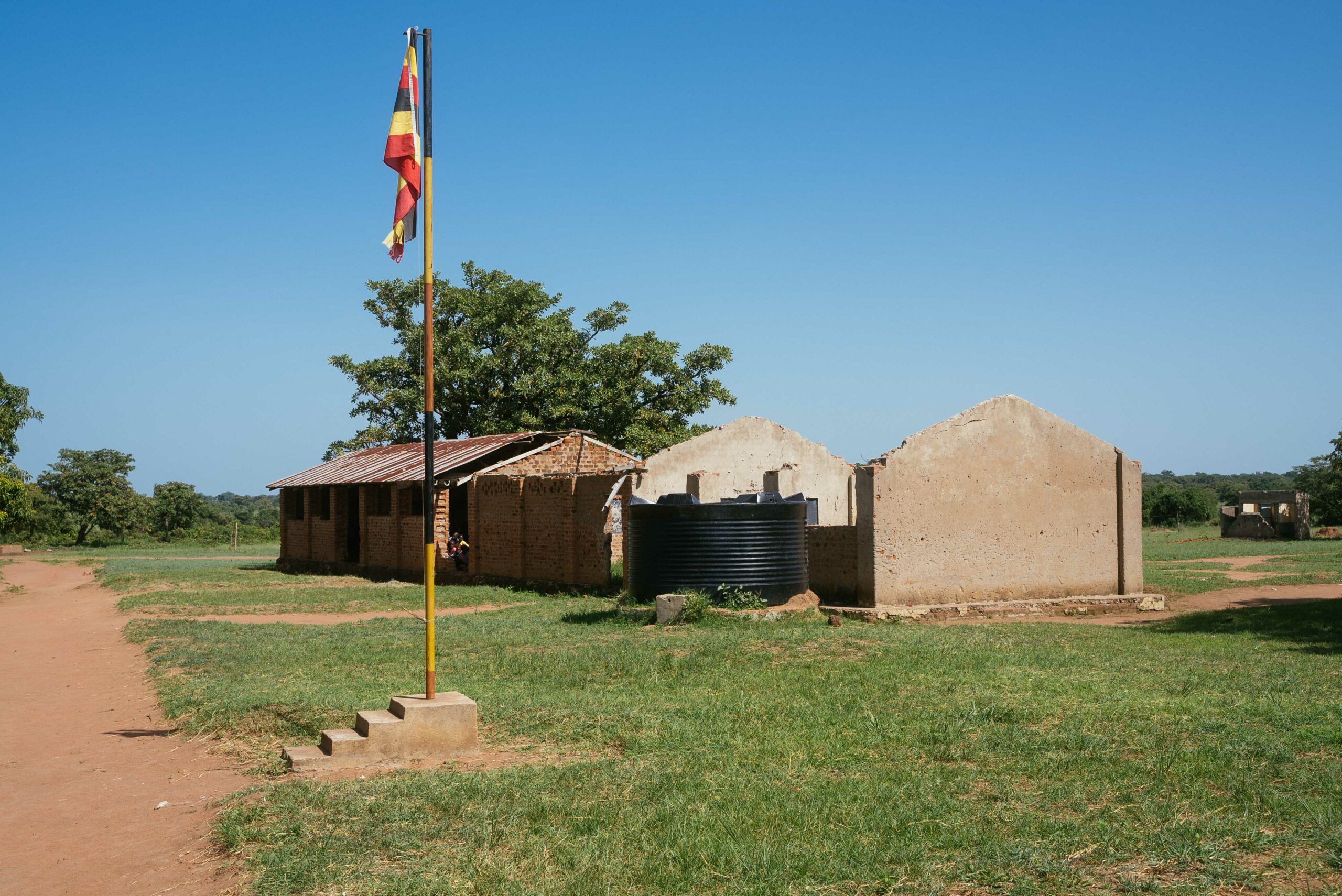
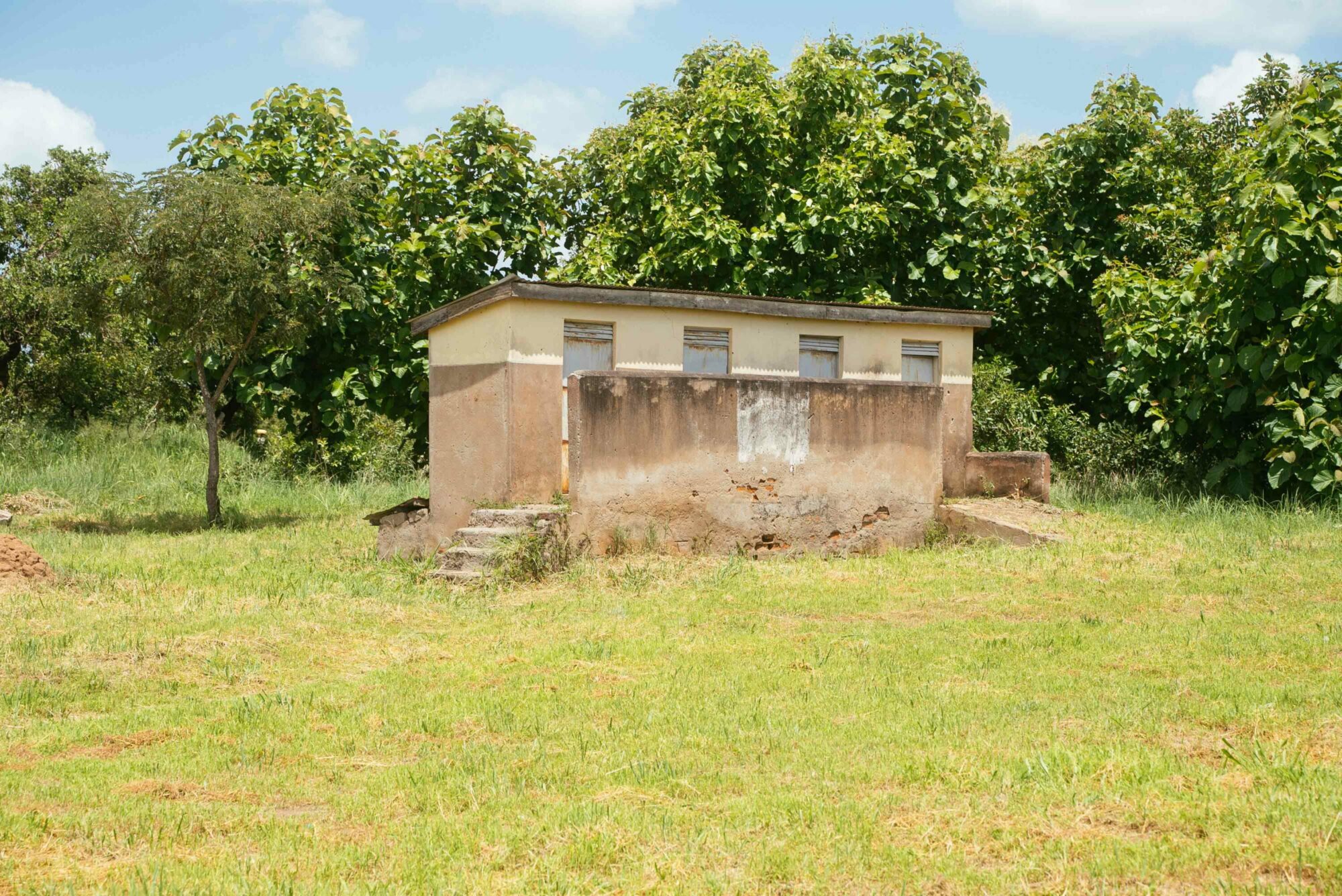
Urgent repairs are being carried out at six public schools. This includes replacing windows and doors, plastering and painting interior and exterior walls, repairing roofs, and building or renovating latrines and walls. In addition, water and electricity supplies are secured, and benches and tables are provided so that students no longer have to study on the floor. A stable and safe learning environment is particularly crucial for girls in grades 1 through 6 to acquire basic skills such as reading, writing, and arithmetic, as they only have access to formal education during this phase due to the ban on education.
ALTERNATIVE EDUCATIONAL PROGRAMS FOR DISADVANTAGED CHILDREN
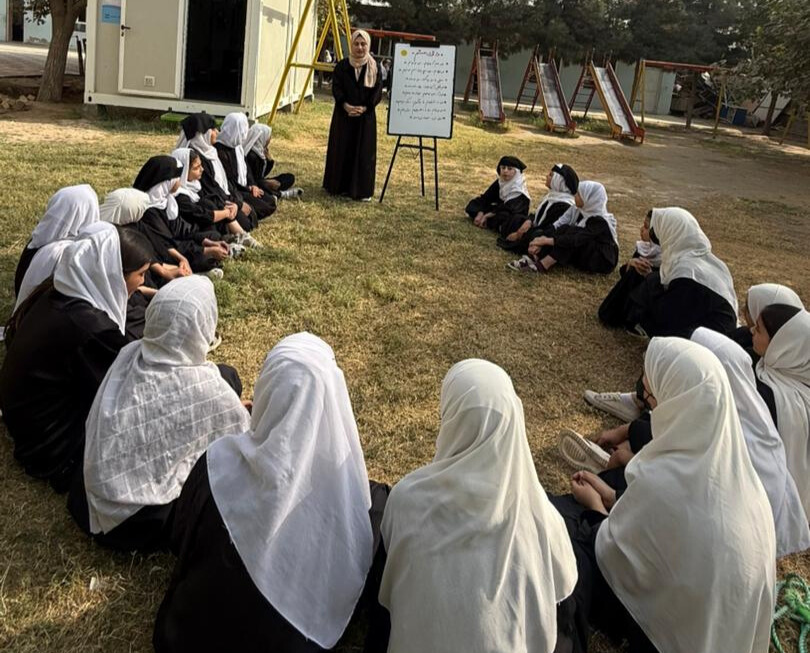
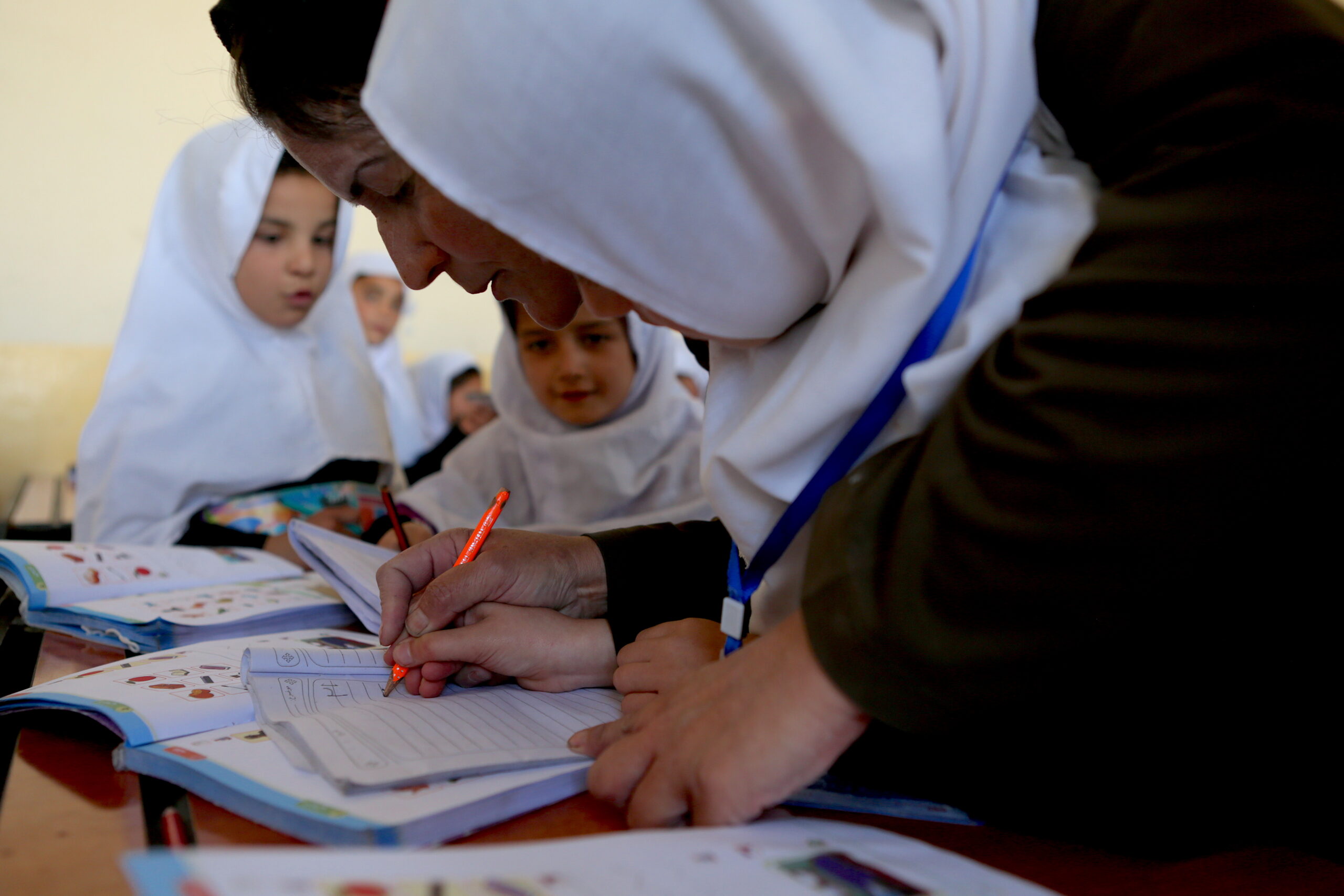
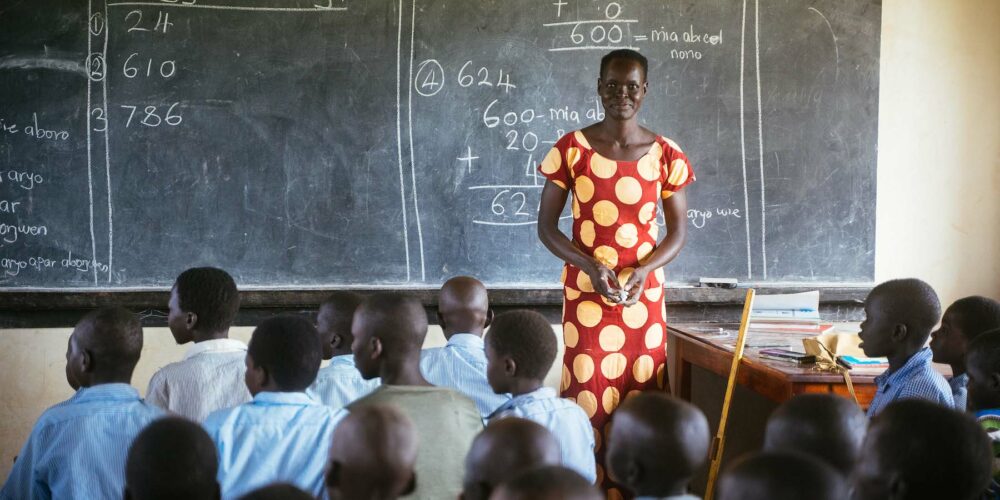
Community-based learning centers are being established and fully equipped in twelve communities, providing disadvantaged children with an alternative pathway to education. The centers follow the national curriculum and, where possible, facilitate the transition into the formal school system. To this end, local committees will first be established in each municipality, composed of local leaders, parents, and school representatives. They provide facilities, oversee implementation, and develop action plans for education and child protection. In addition, Two caregivers will be hired for each center and receive comprehensive training — including instruction on child-friendly teaching methods, child protection, mental health, and the creation of safe spaces.
SAFE SPACES AND EMOTIONAL SUPPORT
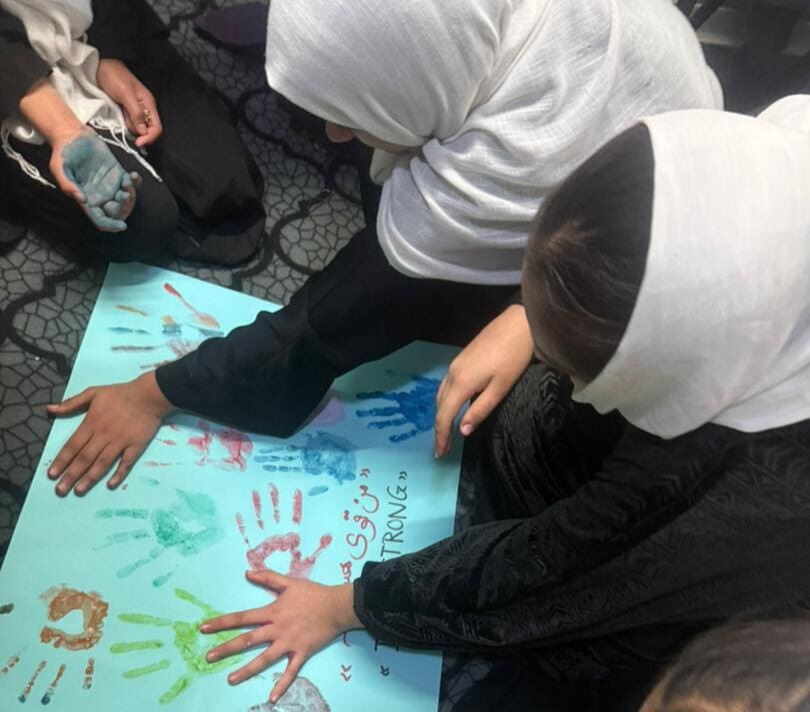
In the learning centers, learning and social spaces are established in accordance with local conditions and implemented in a culturally sensitive manner. These programs are supplemented by therapeutic support to help children cope with stress, anxiety, and a lack of hope for the future. Children with increased protection needs are identified early on and, if necessary, referred to existing local support services. A total of 250 children and their families receive low-threshold mental health counseling; an additional 150 children facing particular challenges receive intensive support through individualized case management.
EMPOWERING MOTHERS ECONOMICALLY
Since financial poverty is a key driver of school dropout rates, child labor, and early marriage, the project also addresses the economic situation of families. 40 mothers of children in the learning centers are being supported in building their own income. You will receive both the necessary equipment to start small income-generating activities and training in the basics of entrepreneurship, as well as ongoing guidance.
EMBEDDING EDUCATION & PROTECTION IN COMMUNITIES
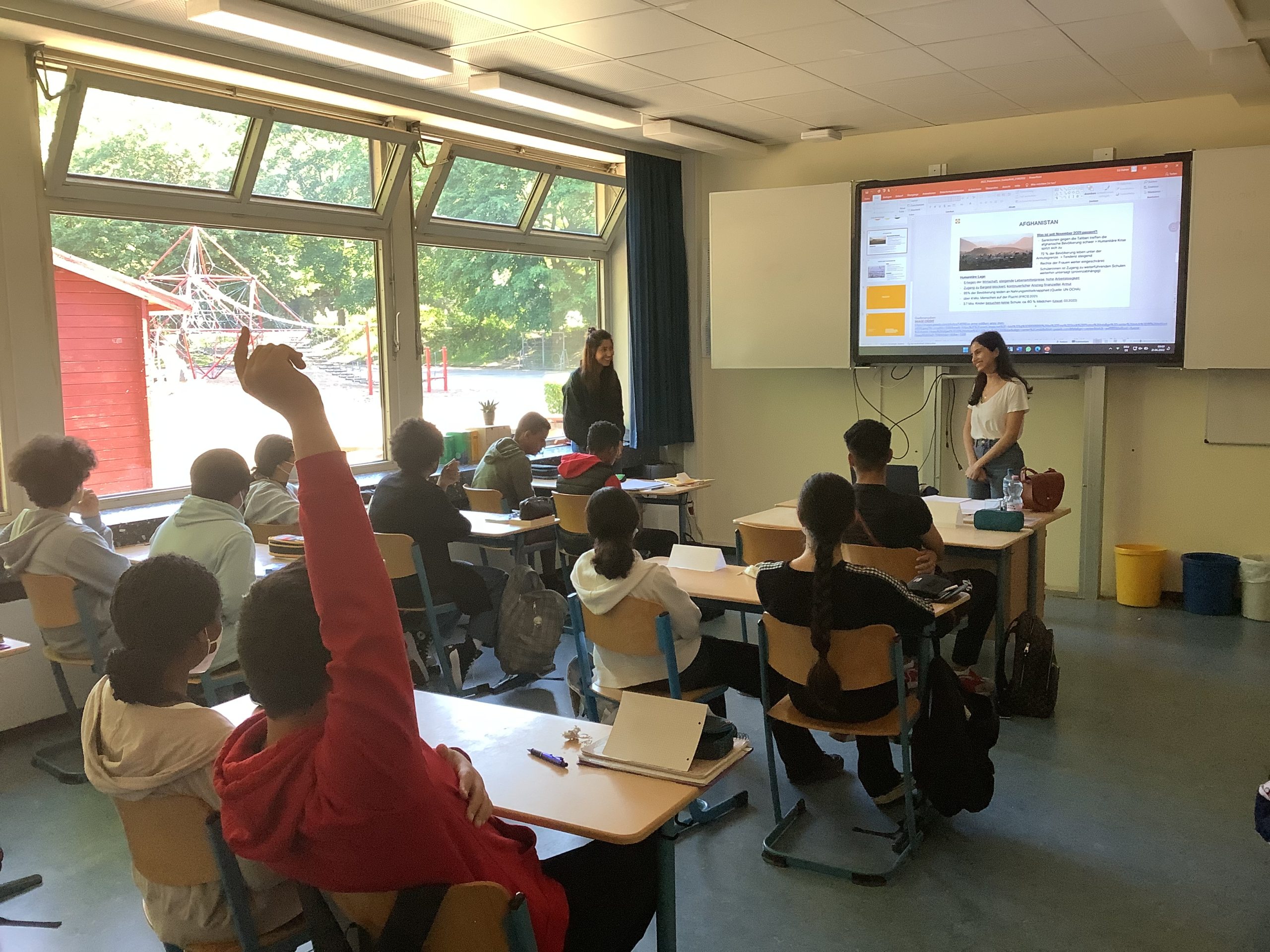
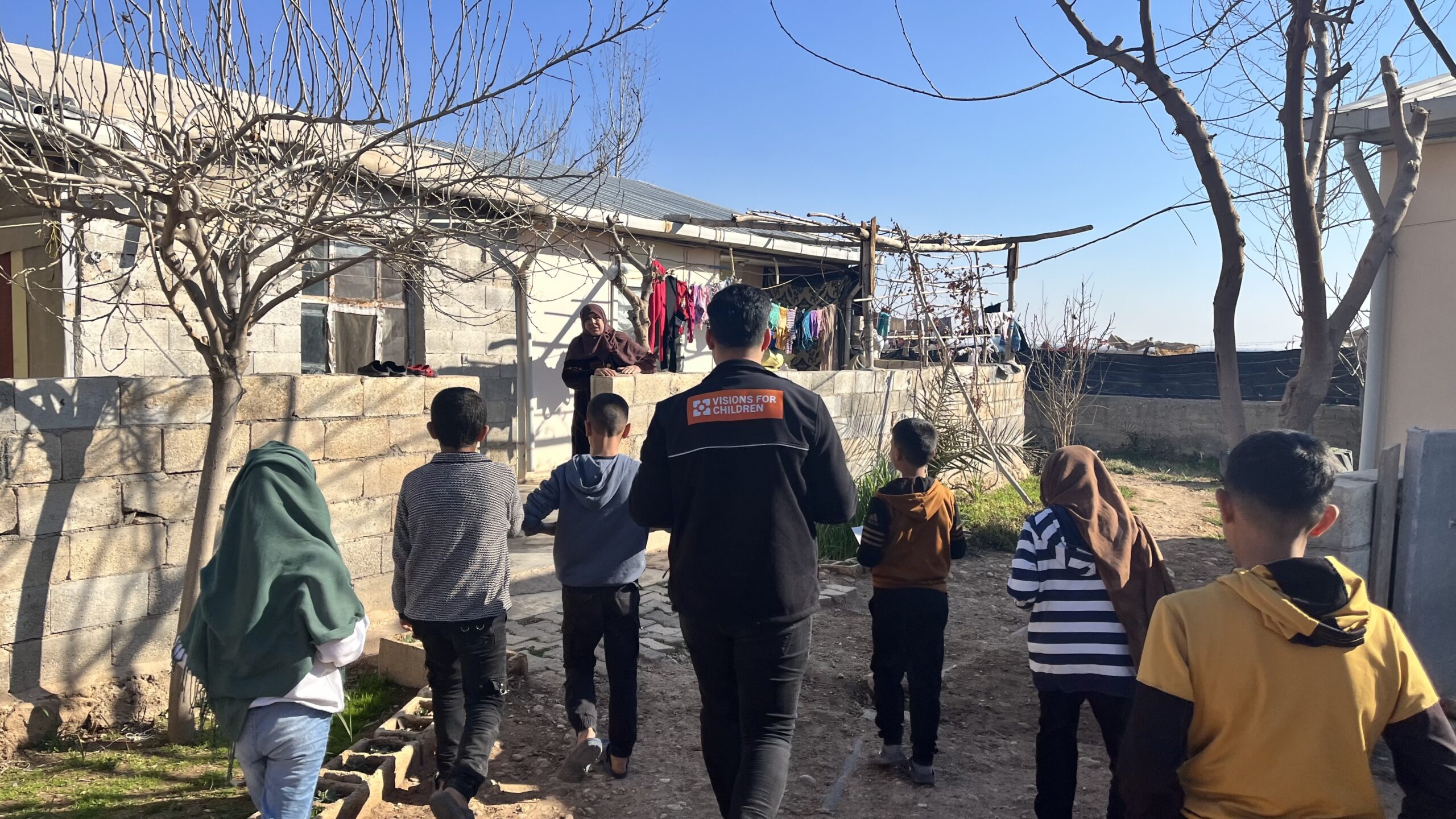
To strengthen education, child protection, and the empowerment of girls in a sustainable way within the communities, the project employs a multi-stage awareness-raising approach. Through home visits, community meetings, and informational materials, the trained committees reach at least 9,000 community members. In addition, 30 local government employees are trained to identify risks to children to identify issues early on and plan and implement concrete measures to address them. 360 parents — especially fathers — are also participating in training sessions on education, child protection, and their role in supporting girls. This helps raise awareness and translate it into concrete action.