Promoting school development and equal opportunities at secondary schools in Uganda
Completed
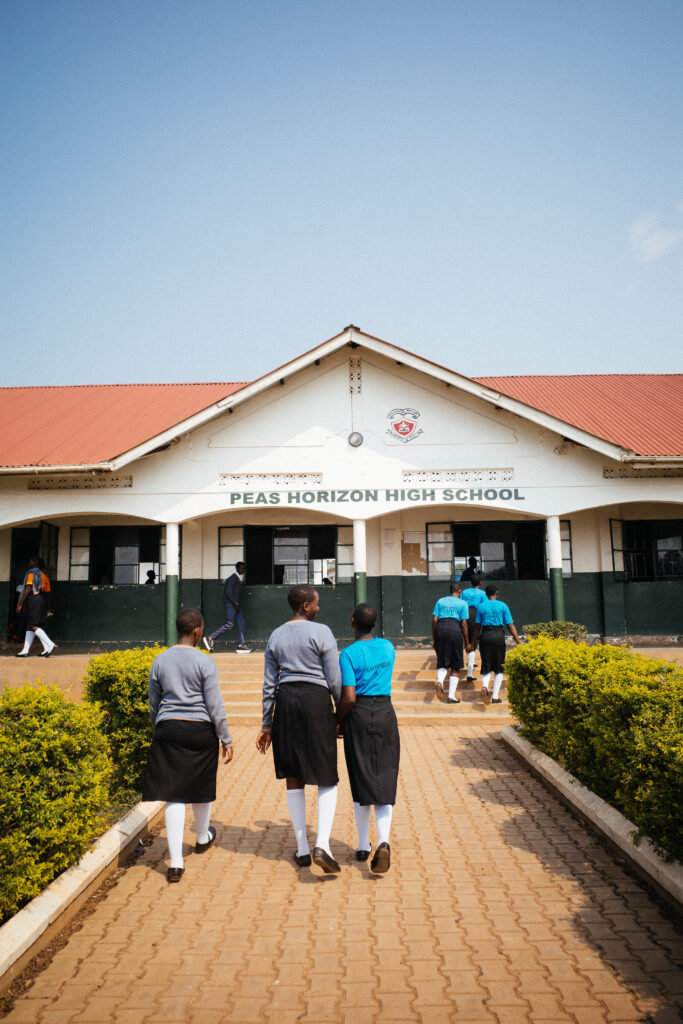
PEAS (Promoting Equality in African Schools) operates one of the largest secondary school networks in sub-Saharan Africa and is committed to expanding access to inclusive, high-quality secondary education. At the 30 schools in Uganda, our local partner is constantly working to improve the quality of education and ensure equal opportunities for boys and girls.
By strengthening school leadership skills and improving hygiene standards, the aim is to to create a high-quality and inclusive learning environment. Particular emphasis is placed on raising awareness of menstrual hygiene. The goal is to reduce the number of students dropping out of school and the number of missed classes, especially among girls.
INITIAL SITUATION
Every year, more than 16,000 students at the 30 secondary schools run by PEAS in Uganda. All of them should have the opportunity to receive a high-quality secondary education. The lack of sanitary facilities remains a particular problem for girls. Many girls stay away from school, especially during their periods. Visions for Children, in collaboration with PEAS, aims to significantly improve girls’ attendance and retention in the school system.
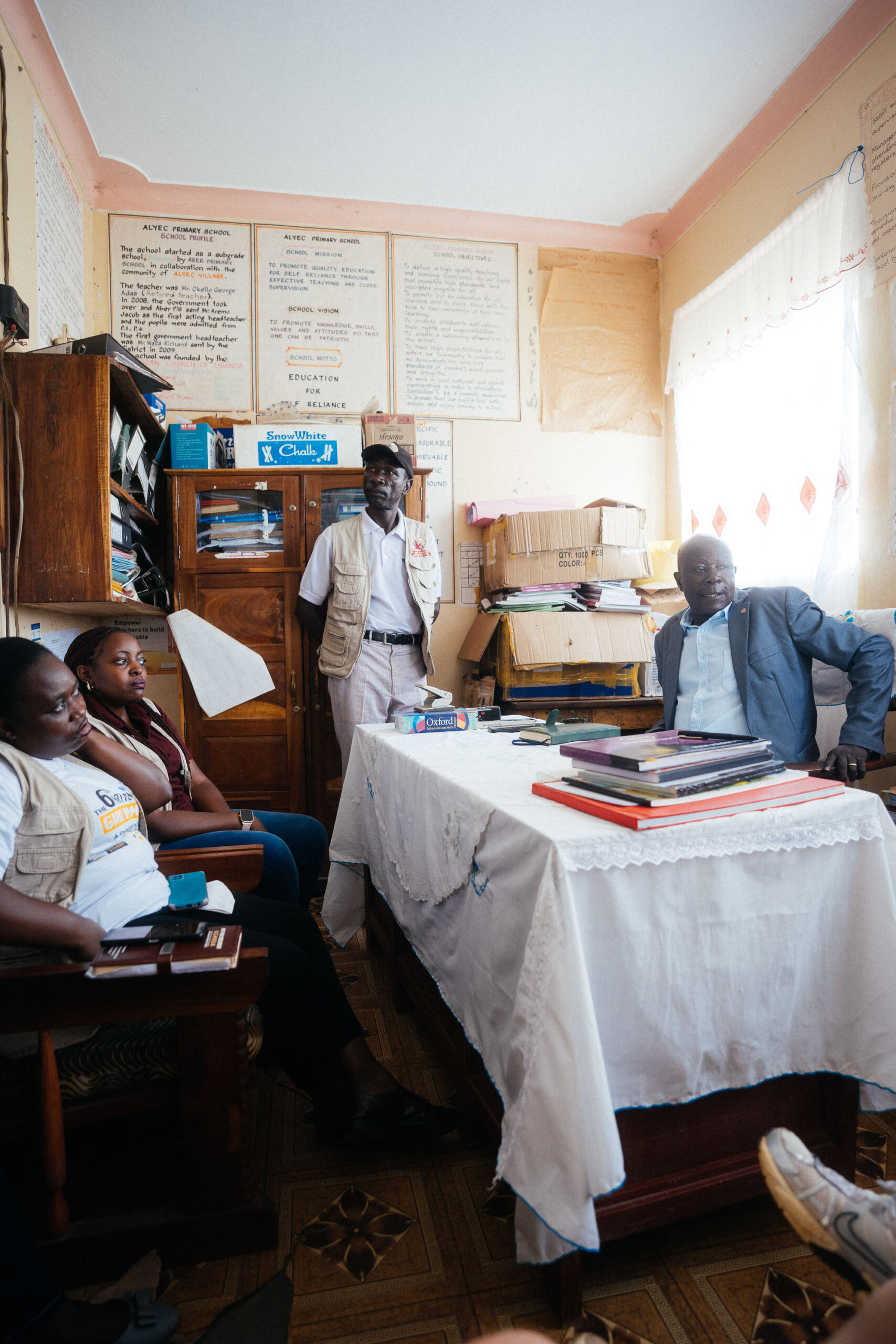
According to the PEAS approach, school principals are the driving force behind change in the education system. However, they often lack the necessary expertise to organize and lead schools in a way that is appropriate and mindful of equal opportunity. The first phase of the pilot project is therefore aimed at school principals at the 30 schools in the PEAS network, but will be expanded to include public schools once the pilot project is completed.
Investing in the ongoing development, support, and coaching of school principals is a key component of the PEAS support and mentoring framework and is essential for fostering broader school-wide improvements.


PROBLEM AND SOLUTION
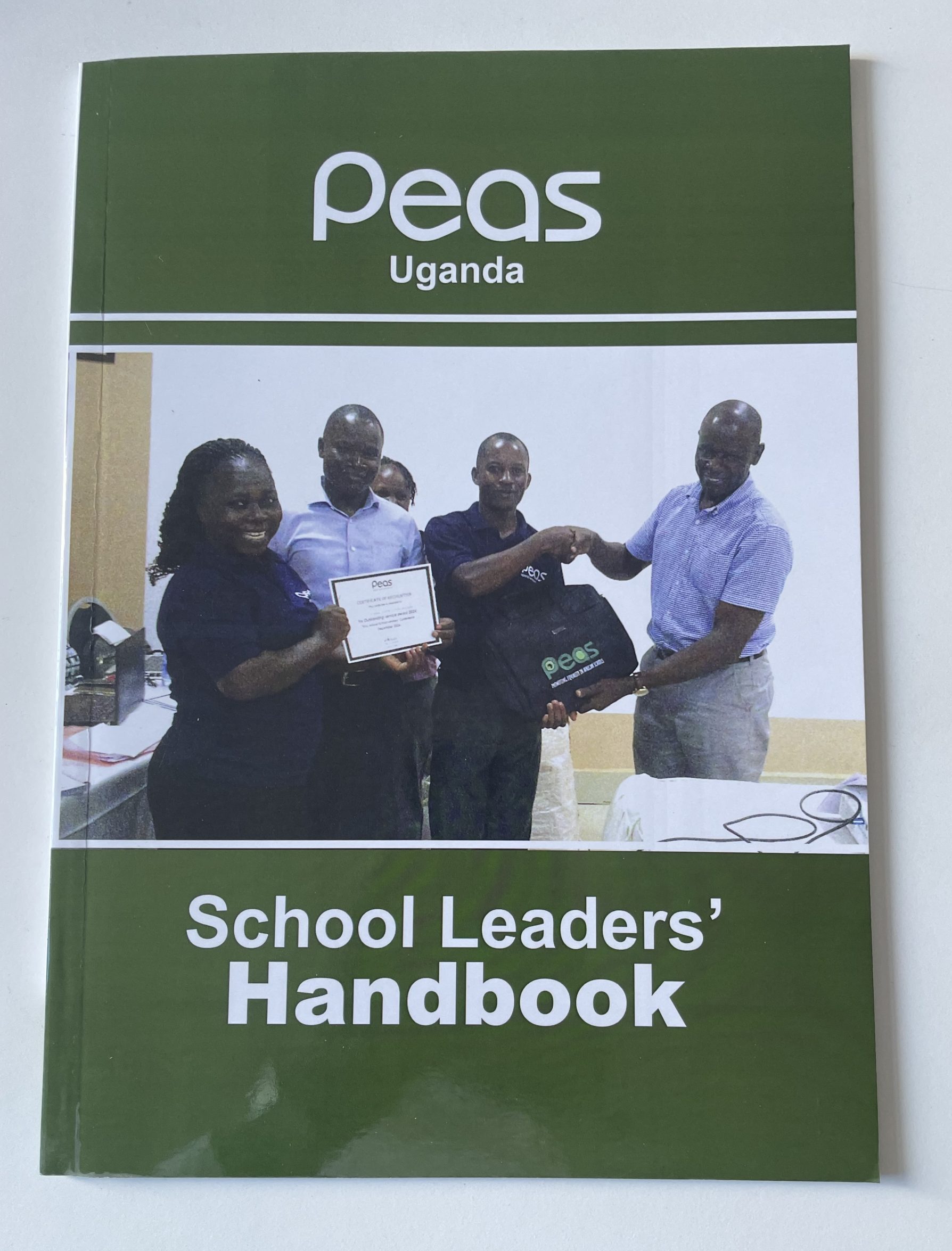
The concept focuses on capacity building for school principals through School Support Officers (SSOs) in schools, combined with peer-learning opportunities. The main activities include The printing and distribution of 120 handbooks for school principals, which provide a structured guide for the professional development of these individuals. The handbooks will serve as a foundation for professional development and for coaching interactions between SSOs and school principals.
At the cluster level (5–6 schools), annual learning meetings are held where school leadership teams come together to share experiences, challenges, and insights. This will give school principals the opportunity to observe best practices at other schools, which can support their own professional development and efforts to improve their schools.
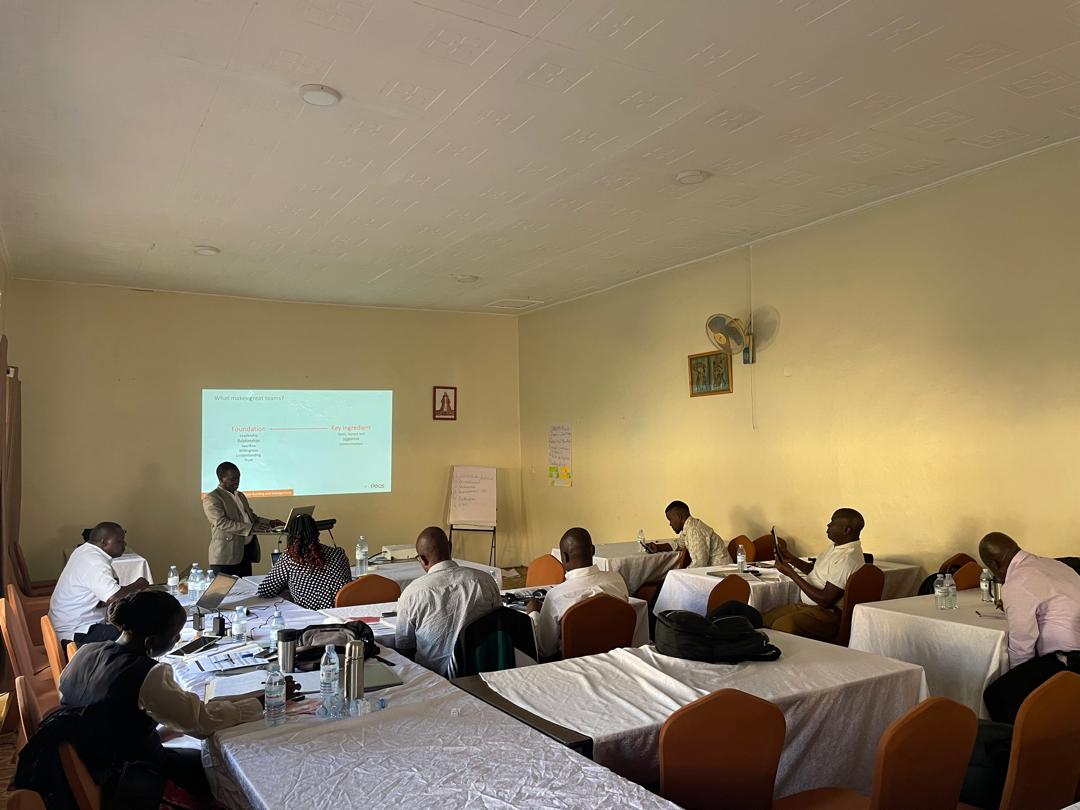
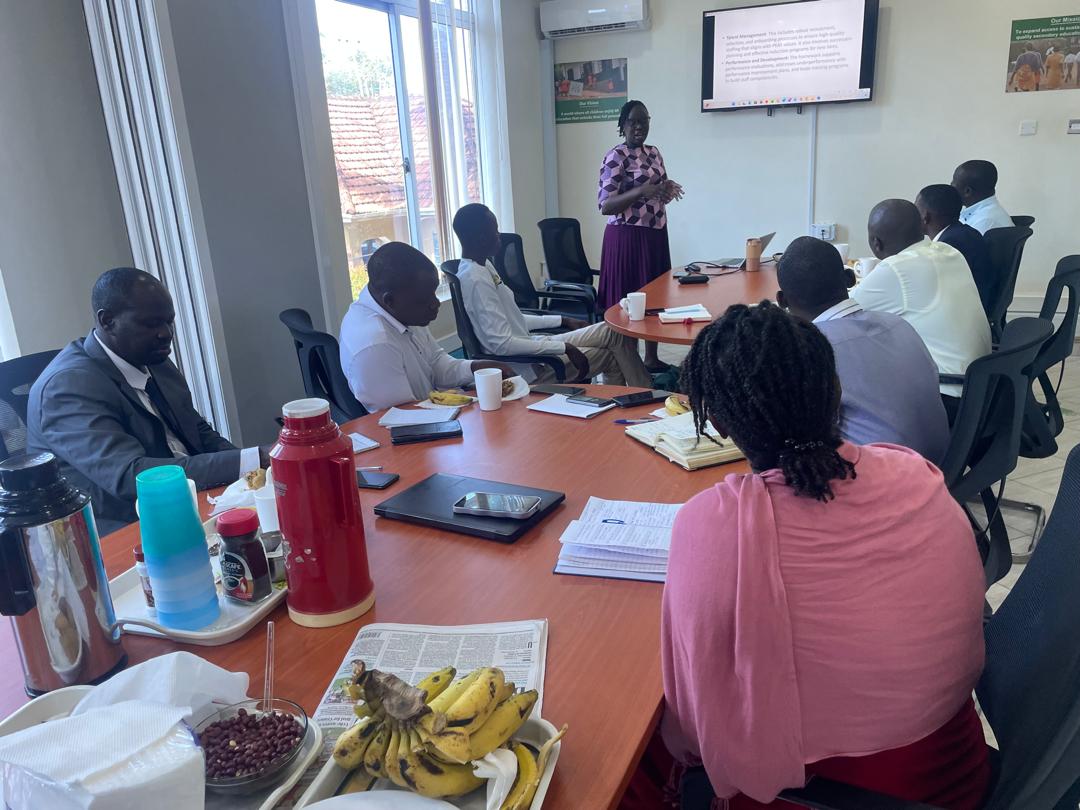
The SSO staff will assist school principals in conducting a one- to two-day training session to strengthen overall leadership and management in schools. Once the pilot project is completed, the approach to developing school leadership is intended to be expanded beyond the PEAS network to include public schools.
Among the most important activities associated with the hygiene campaign are training sessions for the 70 PEAS school principals on MHM (menstrual hygiene) and WASH (water, sanitation, and hygiene) in schools. The focus is on the maintenance and management of incineration facilities for menstrual products, as well as on compliance with WASH standards in schools. The program covers general WASH standards for schools and MHM standards for girls. School principals are expected to share the knowledge they gain with teachers through in-school professional development programs.
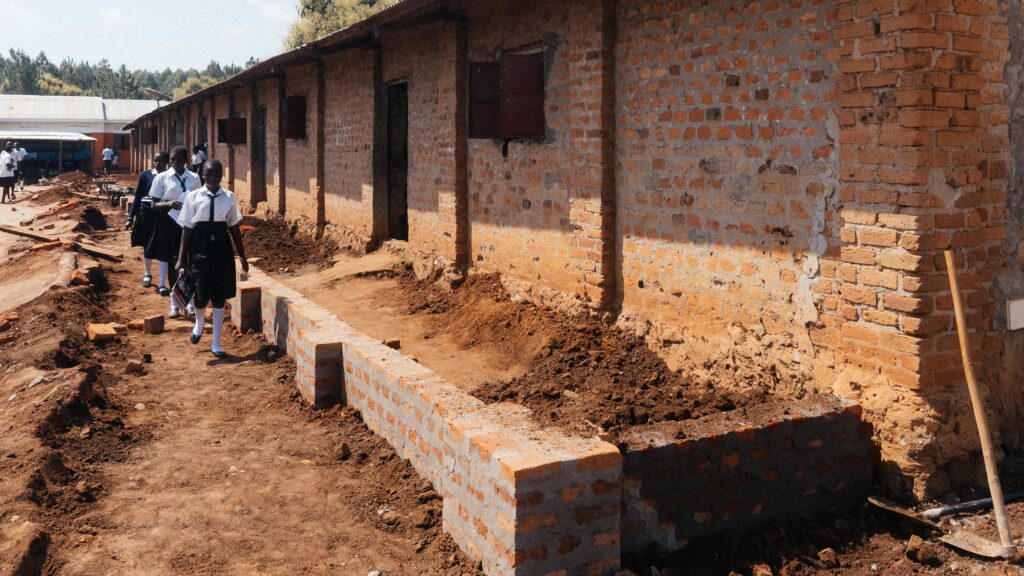
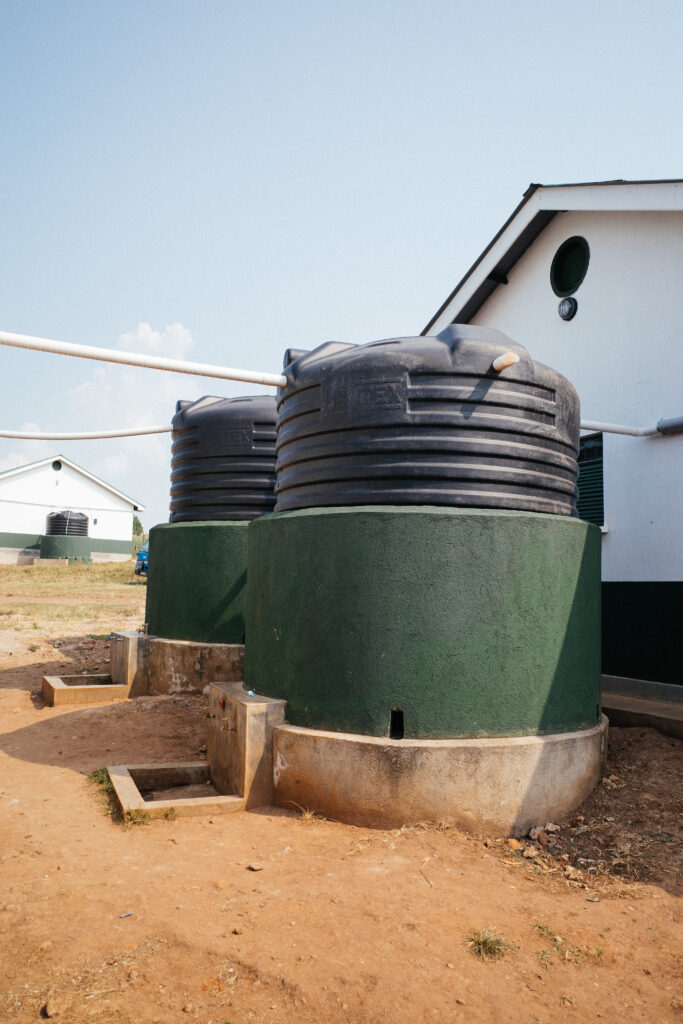
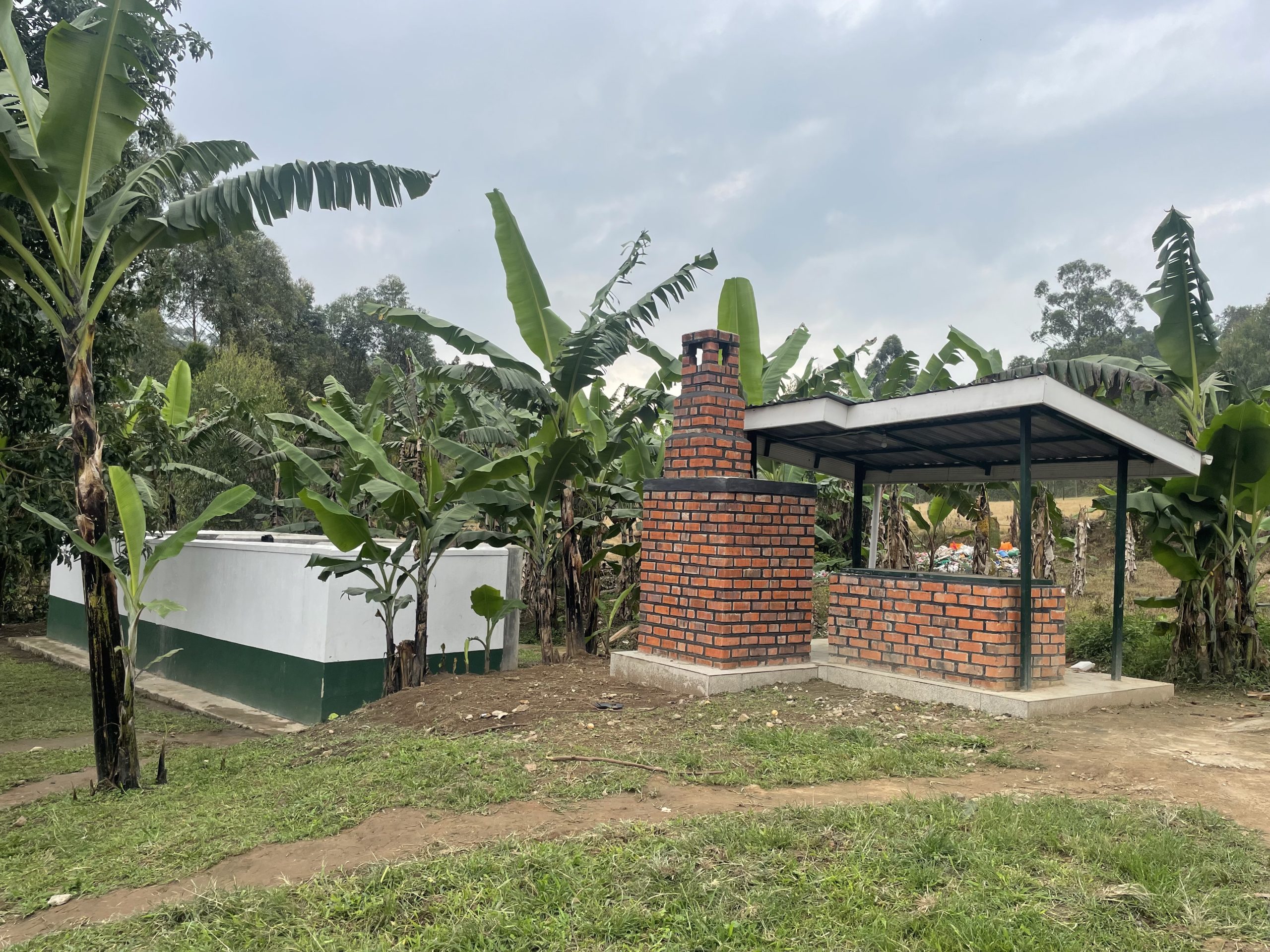
In addition to the training programs, new incinerators for menstrual products will also be installed at two PEAS schools. The incinerators are a key part of the infrastructure needed to meet the hygiene needs of the students. They are intended to facilitate the safe disposal of menstrual hygiene products and help improve girls’ well-being and retention in school.
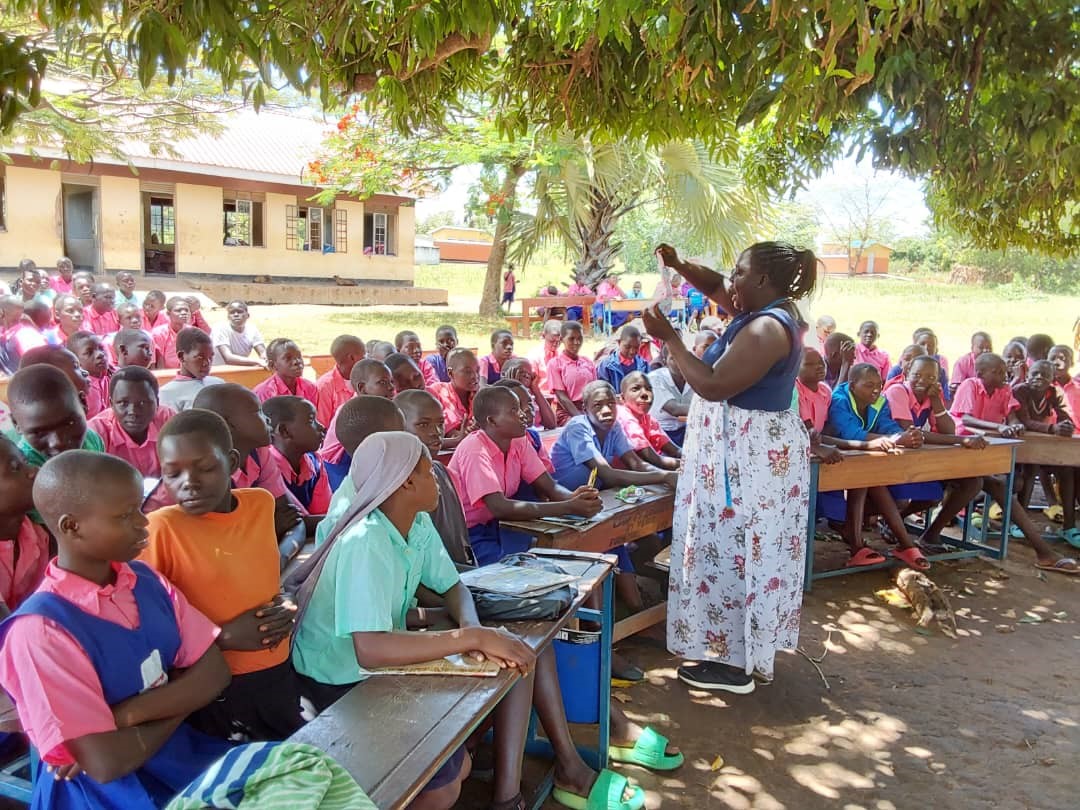
A simplified training session on the use of incinerators and MHM will be conducted by the lead teacher at each school for the students. This training is planned for all approximately 8,000 girls in the PEAS schools.
PEAS and Visions for Children hope to see the following improvements:
- Improved school leadership through professional development and collaboration with other school principals
- Key findings are also being incorporated into the ongoing development of public schools
- More girls are attending school regularly and continuing their education—even during their periods. Better education on the subject helps foster personal responsibility among female students and improves overall health and hygiene in schools.
- Relationships between schools and communities are being strengthened.


ACHIEVEMENTS SO FAR


Project completion
The PEAS program strengthens schools through shared learning centers, peer visits, training sessions, and clearly structured guidelines, enabling school leaders to exchange knowledge and effectively drive school development. In addition, new health and safety guidelines and practical measures help schools create better learning environments, foster a sense of responsibility, and sustainably improve the quality of instruction and school leadership.
Training for School Support Officers (SSOs)
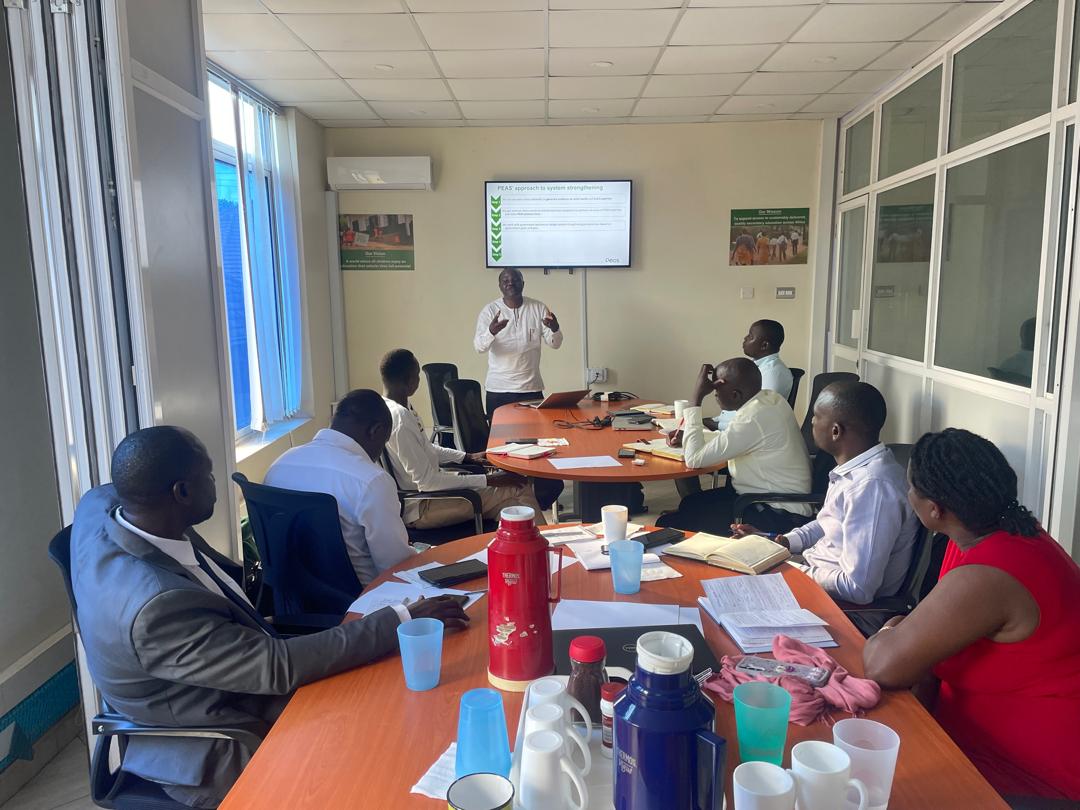
The SSOs are equipped with the necessary knowledge and practical tools to effectively support school administrators.
This enables them to share their training with many public secondary schools and, step by step, improve the quality of education and leadership there.
Construction of incineration plants
Two PEAS schools are receiving new incinerators for menstrual products and training on how to use the incinerators properly. The new incinerators help meet the students’ hygiene needs, thereby promoting their well-being and encouraging them to stay in school even during their periods.
MHM and WASH training for teachers and students
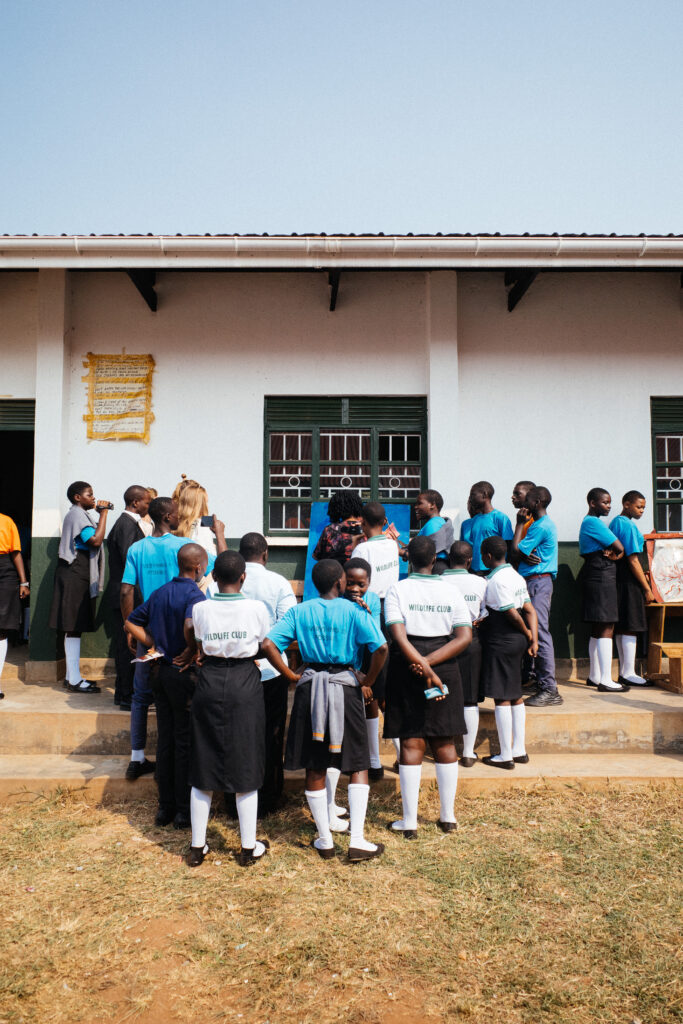
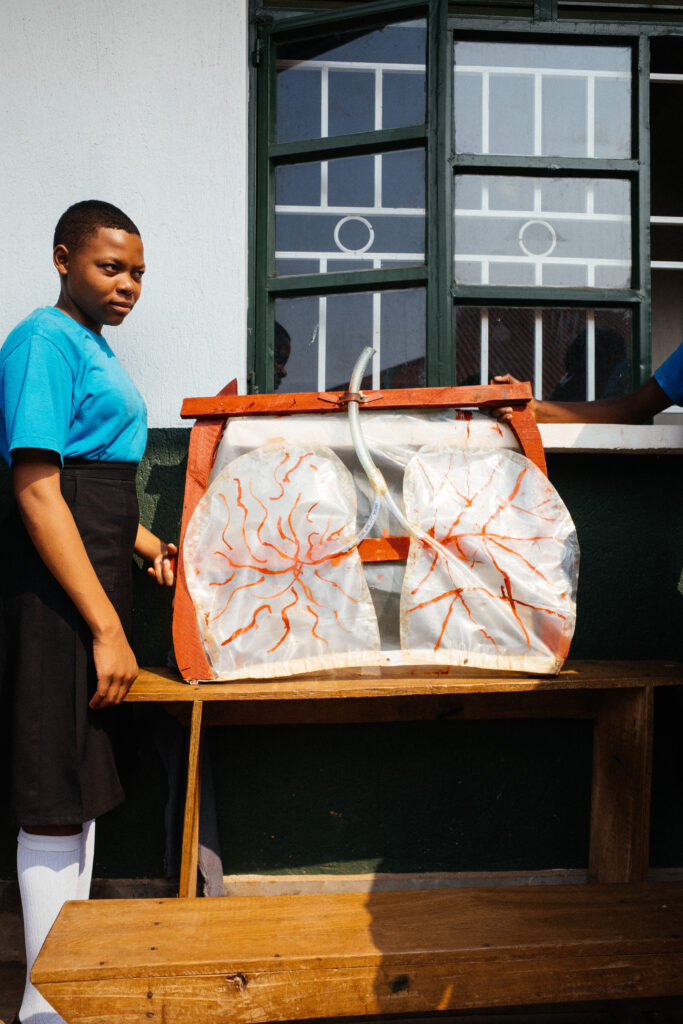
Teachers receive training on menstrual hygiene management (MHM) and water, sanitation, and hygiene (WASH). Lead teachers at the cluster centers share their newly acquired knowledge of (menstrual) hygiene with all female students at the 30 PEAS schools.
Development of MHM and WASH training programs and guidelines for schools
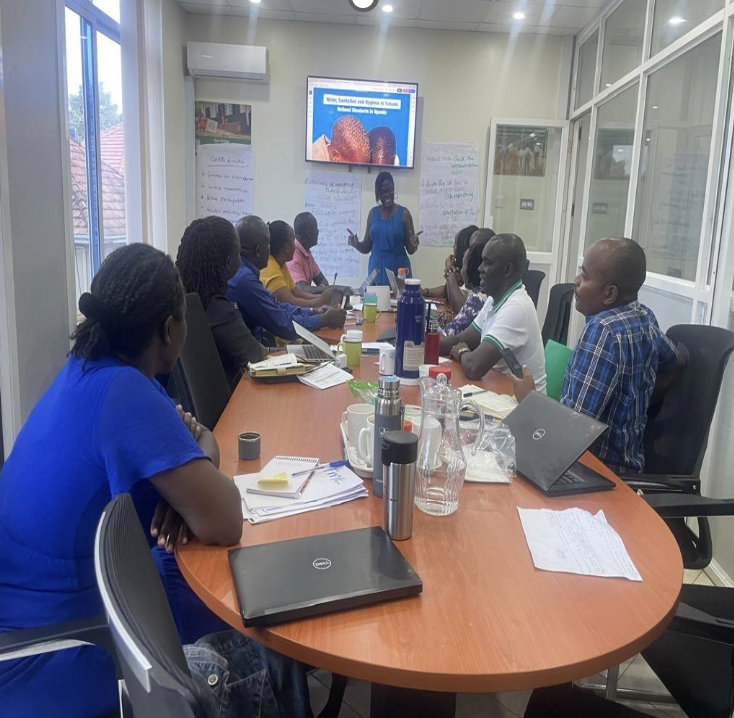
PEAS’s Senior Child Protection Officer developed summary guidelines on menstrual hygiene management (MHM) and engaging training slides in alignment with the Ugandan government’s official standards. The subsequent training session was held at the PEAS country office for eight staff members who will be responsible for delivering the training at the cluster level.
Trainings for school administrators
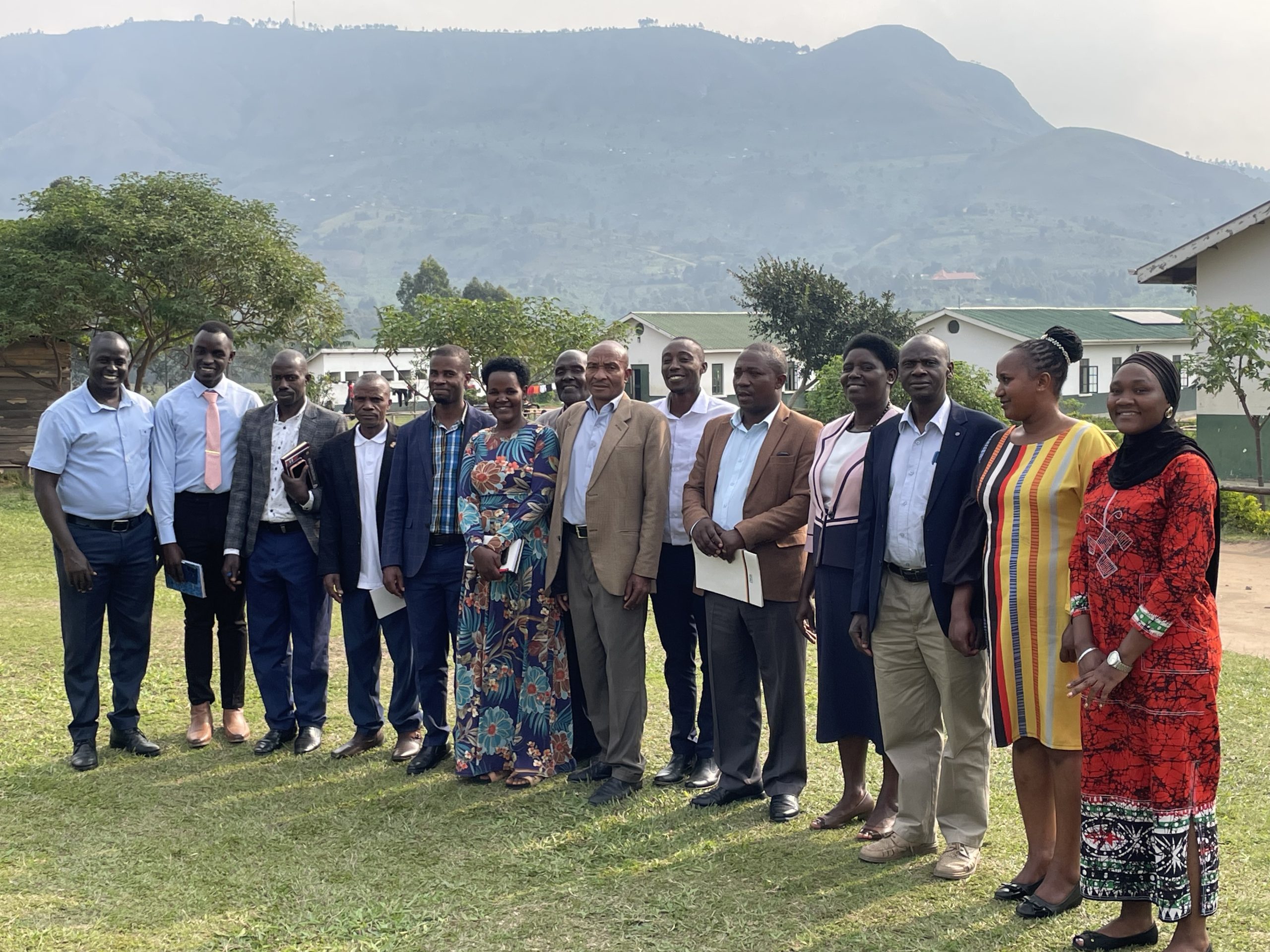
Training sessions for school administrators help them better understand their own roles and responsibilities, as well as those of their colleagues. In addition, administrators receive training in governance and leadership.
Organizing Study Visits
A network-wide peer-to-peer learning initiative enables school administrators to visit each other’s schools so they can observe best practices firsthand, share experiences, and strengthen their school development efforts.
Learning Centers for School Leadership Teams
Establishment of learning centers to promote the exchange of experiences and collaborative approaches to the challenges faced by management and staff.
Printing and distribution of handbooks
The manuals provide a structured guide for the professional development of school principals